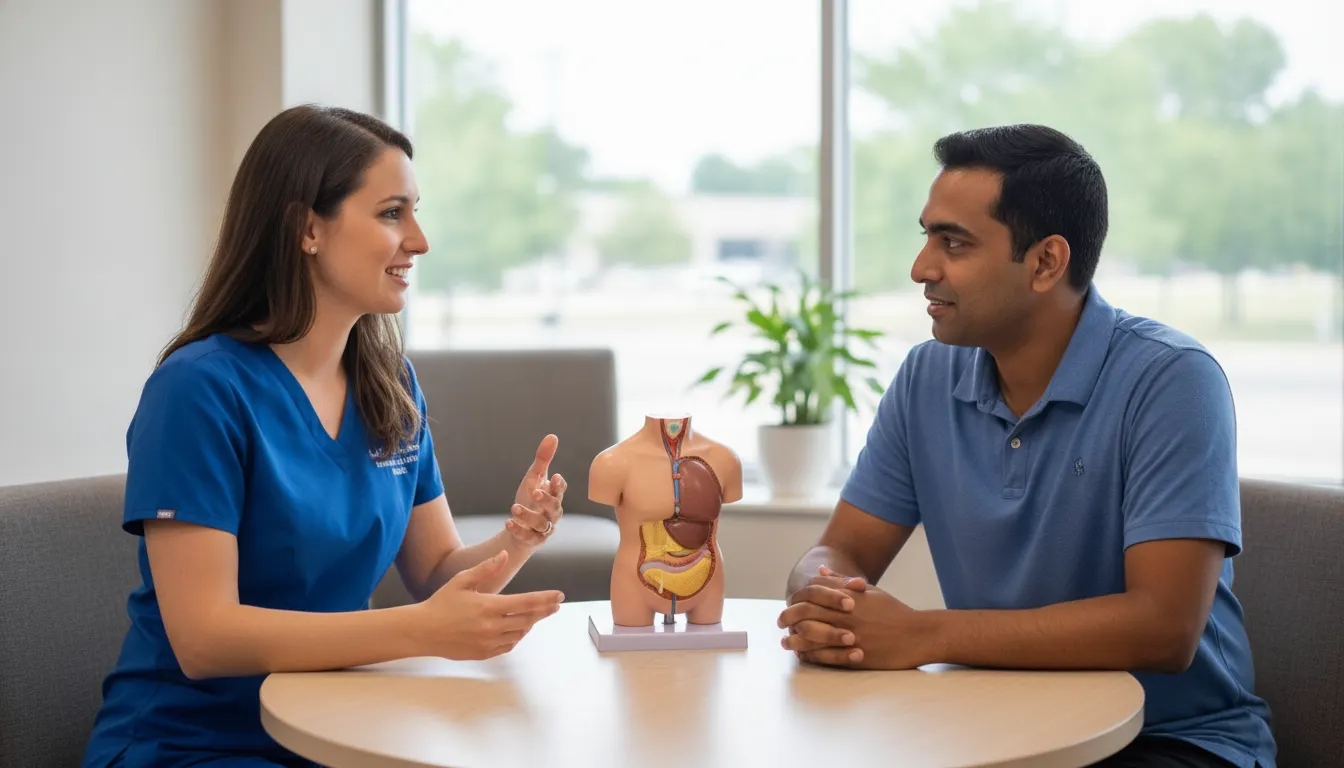
Venous Leg Ulcer Treatment Omaha: What to Know
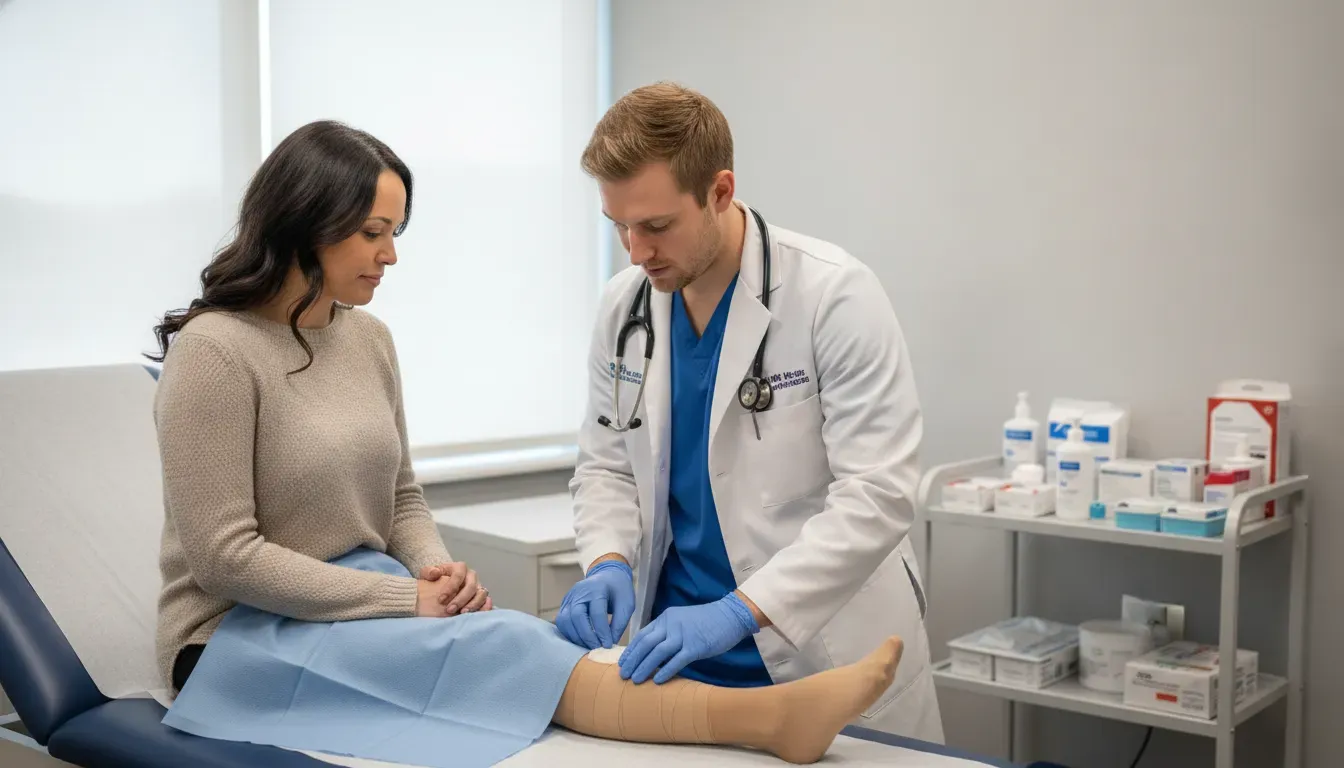
A sore near the ankle that does not heal can be connected to problems with blood returning from the lower leg to the heart. For people searching for venous leg ulcer treatment omaha, the most important first step is a professional evaluation rather than self-starting compression or assuming every leg wound has the same cause.
Learn about chronic wound care in Omaha
Venous leg ulcer treatment omaha may include circulation testing, clinician-directed compression when appropriate, specialized dressings, infection management, and follow-up tailored to the wound and the patient’s overall health. Healing timelines vary based on circulation, wound size, infection, and other conditions.
Understanding how venous pressure, swelling, and tissue injury interact can make the next care decision clearer. The discussion begins with what these ulcers are, why they develop, and how clinicians distinguish them from other lower-leg wounds. For a broader overview of coordinated advanced wound care in Omaha, see our related guide.
What Is a Venous Leg Ulcer and What Causes It?
A venous leg ulcer is an open sore that develops when pressure remains too high in the veins of the lower leg. It is an advanced sign of chronic venous insufficiency, a condition in which blood has difficulty returning to the heart. Venous leg ulcers are among the most common chronic lower-limb wounds. An academic review estimates that they account for about 70% of leg ulcers.
Healthy leg veins move blood upward with help from one-way valves and the movement of surrounding muscles. When those valves do not close effectively, blood can flow backward, or reflux, and pool in the leg. A blockage or other obstruction can also interfere with normal return. Both problems may create venous hypertension, meaning sustained pressure inside the veins. Over time, that pressure can affect small blood vessels, contribute to inflammation, and make nearby tissue more vulnerable to injury.
Swelling is another common part of this process. Persistent fluid buildup can stretch the skin and reduce the tissue’s ability to recover from a minor injury. Once an opening develops, the underlying circulation problem may make healing difficult. This is why simply covering the sore may not address the cause. Clinical reference guidance describes reflux, obstruction, microcirculatory changes, and inflammatory tissue injury as factors that can sustain a venous ulcer.
A sore on the leg does not confirm its cause, and similar-looking wounds can have different contributors. An evaluation can help a clinician consider circulation, swelling, medical conditions, and the wound itself before recommending care. If you notice a new or slow-healing opening, seek professional assessment rather than trying to diagnose it at home.
What Does a Venous Leg Ulcer Look and Feel Like?
A venous leg ulcer often develops on the lower leg, especially around the ankle. Fluid and pressure can build when blood does not return efficiently through the veins. The surrounding skin may look swollen or discolored, with changes such as darker, reddish, or brownish areas. The wound itself may appear shallow and uneven, but appearance can vary from person to person.
Some people notice aching, heaviness, tenderness, itching, or a tight feeling in the lower leg. Discomfort may increase after standing for a long time. Fluid may seep from the wound or saturate a dressing. Drainage does not automatically mean an infection, but a change in the amount, color, or odor of drainage deserves attention. Swelling that worsens, increasing warmth, spreading redness, fever, or worsening pain should be evaluated promptly. MedlinePlus guidance on wound care also recommends contacting a healthcare professional when a wound shows signs of infection or is not improving as expected.
These signs can be clues, not a diagnosis. Similar-looking wounds may have different causes, including arterial circulation problems, pressure, diabetes-related nerve changes, injury, or other conditions. A clinician may need to examine the wound, review your health history, and assess circulation before identifying the cause and choosing care. Do not begin compression or apply a new product based only on how the wound looks.
If a lower-leg wound is slow to heal, repeatedly drains, or is accompanied by persistent swelling, an in-person assessment is appropriate. Patients in Omaha and nearby communities can discuss the wound with a qualified healthcare professional who can determine whether venous disease is involved and what evaluation or treatment may be suitable.
How Is a Venous Leg Ulcer Different from a Diabetic Ulcer?
Both wounds can become chronic, and some people have more than one contributing factor. The difference is usually the pattern behind the wound, not an appearance that can be judged reliably at home. Venous ulcers are commonly associated with poor return of blood through the veins, swelling, and venous pressure in the lower leg. Diabetic ulcers more often involve reduced protective sensation, repeated pressure, reduced circulation, or slower healing related to diabetes.
| Typical contributors | Common clues | Evaluation priorities | Care focus |
|---|---|---|---|
| Venous insufficiency, venous reflux or obstruction, swelling, and blood pooling in the lower leg. | Often appears on the lower leg near the ankle, with swelling or other skin changes. Discomfort can vary. | Assess the wound and skin, check arterial circulation, and consider testing for venous problems when indicated. | Clinician-directed edema control and compression when appropriate, dressings, skin protection, and treatment of infection or other barriers. |
| Diabetes-related neuropathy, repeated pressure, foot deformity, reduced blood flow, infection, or impaired healing. | Often affects the foot or a pressure point. A serious wound may cause little pain when sensation is reduced. | Assess depth, pressure, sensation, infection risk, circulation, glucose-related factors, and foot protection needs. | Pressure relief, wound protection, infection management, circulation assessment, and coordinated diabetes and foot care. |
These categories can overlap. For example, a person with diabetes may also have venous swelling or arterial circulation problems. Review diabetic foot ulcer warning signs if a foot wound or sensation change is present, and consider coordinated diabetes care in Omaha when diabetes may affect healing. A clinician should evaluate an open or worsening wound rather than relying on its location or appearance to identify the cause.
What Venous Leg Ulcer Treatment Omaha Patients Can Expect
A first visit usually begins with a conversation about the wound and your overall health. The clinician may ask when the area first appeared, whether it has changed, and what care or dressings you have already tried. Your history can also include swelling, prior vein problems, diabetes, medications, mobility, and previous wounds. Accurate identification matters because treatment should be directed to the type of wound and the factors affecting it.
The wound itself may be examined and measured, including its length, width, depth, drainage, surrounding skin, and any visible tissue changes. Nebraska Wellness Group lists professional wound evaluation and diagnosis among its services and identifies venous leg and venous stasis ulcers as conditions it treats. Learn more about advanced wound care in Omaha.
- Review the wound history, symptoms, medications, mobility, and related conditions.
- Examine the wound, surrounding skin, swelling, sensation, and circulation.
- Discuss testing or treatment options that fit the findings and the patient’s care needs.
Checking circulation before choosing treatment
Venous ulcers involve problems with blood returning through the veins, but arterial circulation must also be considered. An evaluation may include checking pulses, skin temperature, color, and other signs of arterial perfusion. This step helps the clinician decide which treatments are appropriate and whether additional evaluation is needed. Compression, for example, should be recommended by a qualified clinician after circulation has been assessed, rather than started based only on an online description.
When the history and examination suggest a vein problem, a duplex ultrasound may be considered to assess venous incompetence, such as reflux or obstruction. The test is not necessary for every person, so the decision depends on the examination and treatment-planning needs. Infection and circulation are reviewed together with the wound’s condition, because redness, warmth, drainage, increasing pain, or other changes may require prompt attention.
Building an individualized plan
The next step is shared decision-making. A plan may address wound cleaning, dressings, swelling, circulation, and follow-up, with additional services considered when clinically appropriate. The goal is not to apply a one-size-fits-all protocol, but to match care with the wound, your health, and your ability to manage treatment at home. Your clinician can explain options, answer questions, and coordinate with other providers when needed.
What Standard Treatments Are Used for Venous Leg Ulcers?
Care usually combines several approaches rather than relying on one dressing or procedure. Evidence-based management may include wound care, compression therapy, and treatment of the underlying venous problem when appropriate. Research reviews describe this combination as central to venous leg ulcer care.
Compression after circulation is assessed
Clinician-directed compression can help reduce venous swelling and support the calf muscle pump. However, compression is not automatically appropriate for every person with a leg wound. A clinician should assess arterial circulation and the wound before recommending the type, strength, and application schedule. Do not begin compression wraps or stockings on your own based only on an online article.
Dressings, swelling control, and movement
Dressings help protect the wound, manage drainage, and maintain an environment that supports healing. The product may change as the wound changes. Managing edema is also important. Depending on the person’s health and care plan, this may include prescribed compression, leg elevation, and safe movement that supports circulation. Your care team can explain which activities and positioning are appropriate for you.
Infection care and debridement
Infection management is part of standard wound care when infection is suspected or confirmed. Increasing redness, warmth, pain, drainage, odor, fever, or feeling unwell should prompt timely medical evaluation. Debridement, which removes unhealthy or nonviable tissue, may be considered when it is clinically appropriate. It should be performed by a qualified professional, not attempted at home.
Reducing the chance of recurrence
Venous leg ulcer care also includes planning for recurrence prevention. Follow-up visits may monitor wound size, skin condition, swelling, and response to treatment. Nebraska Wellness Group lists professional evaluation, debridement, infection management, advanced dressings, individualized plans, and coordination with other providers among its chronic wound care services in Omaha. The right plan depends on circulation, the wound itself, other health conditions, and how care progresses.
When Might Advanced Wound Care Be Considered?
Advanced options may be considered when a venous leg ulcer remains open despite a careful, appropriate treatment plan. This is sometimes described as a stalled or refractory wound. A consensus statement recommends considering advanced wound therapies when a venous ulcer is not healing with optimal therapy, but that does not mean every slow-healing wound needs a graft or specialized dressing. The decision depends on the wound and the person receiving care.
Before selecting an advanced option, a clinician typically reassesses the basic contributors to delayed healing. That may include confirming the ulcer’s cause, reviewing arterial circulation, checking for venous disease or swelling, and addressing infection. The clinician also confirms that compression is appropriate and being used as directed. The wound bed also matters. Debridement when clinically appropriate, control of excess drainage, and a dressing plan suited to the wound can help establish the conditions needed for healing. These steps are part of individualized care, not a substitute for it.
Depending on the assessment, a wound-care clinician may discuss advanced dressings, biologic skin substitutes, or amniotic membrane grafts. Nebraska Wellness Group lists these among its wound-care options, along with professional evaluation, infection management, and coordination with other providers. They are clinician-selected possibilities, not guaranteed solutions, and their suitability can depend on factors such as wound characteristics, circulation, medical conditions, and the overall plan of care. Research guidance also supports using advanced therapies within a broader strategy rather than treating them as a stand-alone fix.
If a wound is not progressing as expected, an in-person review can help clarify what is slowing healing and whether a change in treatment is warranted. Learn more about chronic wound care in Omaha and the evaluation process.
How Long Does a Venous Leg Ulcer Take to Heal?
There is no single healing timeline for a venous leg ulcer. A review of venous leg ulcers reports that most heal within six months with appropriate treatment, but that is a population-level reference, not a promise for any individual. Healing may take less time or considerably longer depending on the wound and the person’s overall health. The goal of chronic wound care in Omaha is to identify the factors slowing progress and adjust the plan as the wound changes.
Several variables can affect how quickly a venous ulcer improves:
- Size and depth: A larger or deeper ulcer generally requires more time and closer monitoring than a small, shallow wound.
- Circulation: Venous reflux or an obstruction can maintain pressure in the leg and interfere with tissue repair. Arterial blood flow also needs to be considered before a clinician recommends compression.
- Swelling and edema: Persistent fluid buildup can place stress on surrounding skin and make wound management more difficult.
- Infection: Increasing drainage, odor, redness, warmth, pain, or other signs of infection may delay healing and require prompt treatment.
- Other health conditions: Diabetes and other comorbidities can affect circulation, immune response, mobility, and the body’s ability to repair tissue.
- Consistency with the care plan: Dressing changes, clinician-directed compression, movement or elevation guidance, and follow-up all matter. Do not begin compression on your own, because the appropriate approach depends on circulation and other clinical findings.
Healing also does not always mean the underlying venous problem has gone away. Venous leg ulcers can recur, so long-term prevention is part of management. If the wound is not showing meaningful progress, is worsening, or repeatedly returns, the care team may reassess the diagnosis, circulation, infection status, treatment plan, and need for additional wound-care options. An in-person evaluation can help determine what is affecting healing without assuming that every slow-healing ulcer has the same cause. The academic review discusses the six-month population reference and factors affecting healing at this medical source; individual guidance should come from a qualified clinician.
When Should You See a Wound Care Specialist?
A wound on the lower leg deserves timely medical attention when it is not improving, keeps returning, or is difficult to manage at home. Do not wait for a routine follow-up if the surrounding skin becomes increasingly red, warm, swollen, or tender. New or worsening drainage, a strong odor, spreading redness, or a noticeable change in the wound can indicate a complication that needs prompt evaluation. MedlinePlus advises contacting a healthcare professional for concerning changes in a wound, including increasing pain, drainage, redness, or fever. Learn more about wound warning signs from MedlinePlus.
Seek prompt care as well if you develop a fever, chills, unusual weakness, confusion, or other symptoms that make you feel significantly ill. Severe or rapidly increasing pain is also a reason to call promptly, especially if the wound looks different from usual. A new color or sensation change in the foot or leg, such as unusual paleness, darkening, numbness, or coldness, should not be dismissed. These changes may signal circulation or nerve concerns that require clinical assessment.
- Contact a wound care professional when the wound is worsening, repeatedly reopening, or not responding to the care plan.
- Ask for guidance if you cannot safely change dressings, follow compression instructions, control drainage, or manage discomfort.
- Seek urgent evaluation for uncontrolled bleeding, rapidly changing black or gray tissue, severe swelling, or severe systemic symptoms.
Call emergency services for heavy bleeding that will not stop with firm pressure, severe breathing difficulty, fainting, confusion, or other life-threatening symptoms. Do not start compression or change a prescribed dressing plan on your own when circulation has not been evaluated. The NIDDK also recommends prompt attention to concerning foot and leg changes, particularly for people living with diabetes. In Omaha and nearby communities, you can contact Nebraska Wellness Group to discuss an in-person evaluation and the next appropriate step.
Contact Nebraska Wellness Group to discuss wound care
Frequently Asked Questions
How is a venous leg ulcer treated?
Treatment usually combines clinician-directed compression, wound dressings, swelling management, and care for any infection or underlying venous problem. The care plan may also include debridement when appropriate, elevation or movement guidance, and recurrence prevention. A professional evaluation helps determine whether compression is safe and which treatments fit the wound and your circulation. Clinical reference
What is the gold standard treatment for venous leg ulcers?
Compression therapy is commonly described as the cornerstone treatment, but it should be selected and monitored by a clinician after arterial circulation is considered. It works as part of a broader plan that includes wound care and infection control, rather than as a stand-alone solution. Clinical reference
What is the new treatment for leg ulcers?
There is no single new treatment that is right for every ulcer. If a wound is not healing with optimal standard care, a wound specialist may evaluate advanced dressings, biologic or amniotic options, or other adjunctive therapies. These choices depend on the wound, circulation, health conditions, and prior care, and they do not guarantee healing. Consensus guidance
What are the causes of sores on the legs?
Leg sores can have different causes, including venous hypertension from chronic venous insufficiency, venous reflux or obstruction, diabetes-related nerve or circulation problems, pressure, injury, or infection. Venous leg ulcers develop when persistent venous pressure contributes to tissue injury, but appearance alone cannot confirm the cause. An evaluation is important before choosing treatment. Clinical reference
Contact us about venous leg ulcer care
Questions about a persistent lower-leg wound can be easier to address with an individualized evaluation and a clear next step. If you are in Omaha or a nearby community, contact Nebraska Wellness Group to discuss venous leg ulcer care with the team.