Integrated Wound Care and Diabetes Management: Why One Team Makes a Difference
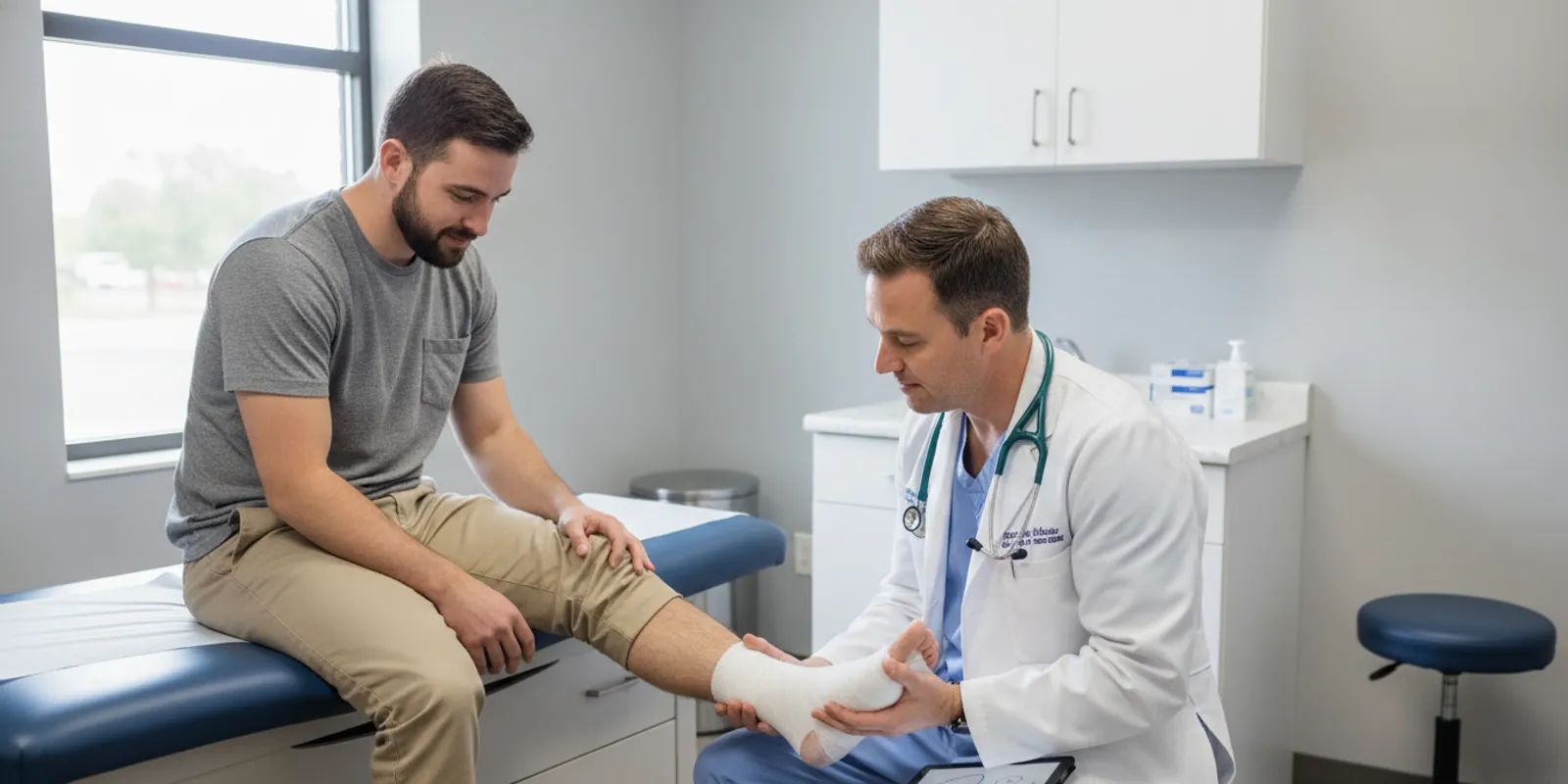
Integrated wound care and diabetes management means addressing the wound and the health factors that can affect healing as parts of one care plan. For people with diabetes, timely evaluation, clear follow-up, and communication among clinicians can help identify concerns and keep care organized. Here is what that coordination can involve and what to do if a wound is not improving.
Contact Nebraska Wellness Group
Diabetes can affect circulation, sensation, and the body’s response to injury. A small cut, blister, or pressure area may therefore need more attention than it first appears to. This guide explains the connection without suggesting that every wound has the same cause or needs the same treatment. For more on wound types and care approaches, see our guide to advanced wound care in Omaha.
Why do people with diabetes need specialized wound care?
Diabetes does not mean a wound will inevitably become serious. It does mean that a wound deserves attention in context: its location and appearance, how long it has been present, the person’s sensation and circulation, and other health conditions all matter.
Several diabetes-related factors may make wound monitoring especially important:
- Reduced sensation: Nerve changes can make it harder to notice a cut, blister, pressure spot, or irritation, particularly on the feet.
- Circulation concerns: Changes in blood vessels can affect delivery of oxygen and nutrients to tissue.
- Blood glucose: Persistently high blood glucose can interfere with processes involved in tissue repair. A review of diabetic wound healing describes how hyperglycemia-related changes can impair healing and affect blood vessels (review of diabetic wound healing).
- Pressure or repeated friction: A wound on a foot may be aggravated by ongoing pressure or shoes that rub, even when discomfort is limited.
- Other health factors: Infection, nutrition, smoking, medications, and other conditions may affect the assessment and plan. A clinician can help determine which factors apply to an individual.
These factors are reasons to seek an assessment, not a way to diagnose a wound at home. A clinician can evaluate the wound, review relevant health history, and decide whether testing, wound treatment, or another referral is appropriate.
How can blood sugar affect wound healing?
Healing is a sequence of overlapping processes. The body responds to injury, controls inflammation, clears damaged tissue, and builds new tissue. Diabetes and elevated blood glucose can disrupt parts of this process, while related circulation or nerve changes can add challenges. The relationship is not identical for every person, and one blood glucose reading alone does not explain why a particular wound is slow to heal.
In practice, diabetes management and wound assessment inform one another. The care team may consider recent glucose patterns and the person’s broader diabetes plan alongside the wound’s size, depth, location, drainage, and surrounding skin. The clinician may also ask when the wound began, what changes have occurred, and whether pressure or an injury may be involved.
The aim is not to blame a patient or to promise that a particular glucose target will make a wound heal. It is to identify modifiable concerns, support an appropriate diabetes plan, and address the wound itself. Patients should not change diabetes medication or wound treatment on their own in response to an article or a single reading. Discuss questions with the clinician who knows their history.
For example, if a person notices a sore after wearing new shoes, that timing is useful information even if the sore is painless. If glucose readings have also been outside the range the clinician and patient agreed to monitor, that is worth sharing too. Neither detail proves what caused the wound or how it should be treated. Together, however, they give the clinician context for deciding what to examine and whether the diabetes plan needs review alongside wound care.
What does coordinated diabetes and wound care look like?
Coordination means that the wound and the person’s overall health are considered together, with a plan for who will do what and when to check progress. Depending on the patient’s needs, this may involve primary care, a wound care clinician, and other specialists. A published case study on multidisciplinary management of a complex diabetic foot wound describes collaboration across departments; it illustrates a team approach, rather than proving that one model fits every patient (multidisciplinary wound-care case study).
Elements of a coordinated visit or care plan may include:
- Wound evaluation: Documenting where the wound is, its dimensions and appearance, and any changes since the last check.
- Diabetes review: Discussing glucose patterns, the current care plan, and questions that may need follow-up.
- Contributing-factor review: Considering sensation, circulation, pressure, footwear, and other medical factors where relevant.
- Clear next steps: Explaining the recommended wound care, who is responsible for each step, and when to return or contact the practice.
- Referral or consultation: Coordinating additional evaluation when the clinician believes another service is needed.
A practical plan should answer everyday questions, not only describe the diagnosis. Patients should know what instructions apply at home, what kind of protection or pressure reduction is recommended, how to obtain supplies if needed, and when the wound will be reassessed. They should also know who to call if the dressing becomes difficult to manage or the area changes before the next visit. The answers depend on the individual wound, so patients should ask their clinician rather than rely on a general dressing routine.
The precise plan depends on the wound and the person. Wound care is not a one-size-fits-all dressing choice. It may involve cleaning and protection, addressing pressure, monitoring for infection, or other clinician-directed treatment. Do not cut away tissue, use leftover prescription products, or apply unadvised remedies to a wound.
For an overview of common wound-care considerations, visit Nebraska Wellness Group’s wound care services page. Patients can also learn more about the practice’s diabetes care in Omaha.
How can one care team make follow-up easier?
When different parts of care are disconnected, patients may be left unsure which clinician to call, what instructions to follow, or when a change requires reassessment. A coordinated approach can make it easier to keep the plan understandable and to share relevant updates. It does not guarantee faster healing or a particular outcome; it supports communication and follow-through while clinicians respond to the patient’s needs.
Research on teamwork in diabetic foot-ulcer care has also examined how patients perceive collaboration and self-management support. These perspectives matter because a workable plan needs to make sense in daily life, not only in a clinic (study of patient perceptions of teamwork and self-management).
Patients can help make coordination practical by bringing an up-to-date medication list, sharing glucose information if available, and asking for instructions in writing. If another clinician is already involved, mention that at the visit. Keep a simple record of changes in wound size, drainage, redness, discomfort, or skin around it, and tell the care team about notable changes. These notes support a conversation; they are not a substitute for a clinical assessment.
A simple tracking note can be brief and factual. Record the date, what looks different, and whether there was a change in activity, footwear, or the way the wound was protected. If taking a photograph is part of the clinician’s instructions, follow the practice’s guidance about how to share it securely; do not post private health information publicly. Consistent observations can help make follow-up conversations clearer, but a photo or note cannot replace an examination when one is needed.
How can patients take part in a coordinated care plan?
Patients do not need to arrive with a complete explanation for why a wound is present. A few observations and questions can help the clinician understand the timeline and make the next steps clearer. Before a visit, consider writing down:
- When the wound was first noticed and whether it followed an injury, pressure, or new footwear.
- Changes in its appearance, such as size, color, drainage, surrounding skin, or discomfort.
- Any recent changes in walking, footwear, daily activity, or the ability to protect the area.
- Current medications and relevant health conditions, along with diabetes information the care team has asked you to track.
- The names of other clinicians or services involved in diabetes or wound care.
At the appointment, it is reasonable to ask the clinician to explain the plan in plain language. For example: What should I do at home? How should I protect the wound? When should it be checked again? What changes should make me call sooner? If a referral is recommended, ask what it is intended to assess and whether your current care instructions change while you wait.
It can help to repeat the instructions back in your own words before leaving. For instance, summarize who is changing or checking the wound, what follow-up date is planned, and the signs that mean you should call earlier. This gives the clinician a chance to clarify any confusing point while you are still together. If you receive different directions from two clinicians, do not choose between them by guesswork; contact the care team and explain the conflict.
After the visit, keep the written instructions somewhere easy to find. If a family member helps with appointments or wound care, ask the patient whether they want that person included in the discussion. For children, older adults, or anyone who needs assistance, a support person may help communicate observations and remember follow-up details, with the patient’s preferences respected.
These steps support shared understanding, but they do not shift clinical responsibility onto the patient. The clinician is responsible for evaluating the wound and explaining the recommended care. If instructions are unclear, or the wound changes before the next appointment, contact the practice rather than guessing whether the plan should change.
What should a patient with diabetes and a slow-healing wound do first?
Contact a healthcare professional for guidance instead of waiting for a wound to become painful. Diabetes-related changes in sensation can make pain an unreliable measure of how concerning a wound is. This is particularly important for foot wounds, wounds that are getting larger, or areas that are not improving.
- Arrange an evaluation. Describe the wound’s location, when it appeared, and how it has changed. Mention diabetes and any known circulation or sensation concerns.
- Follow interim instructions. Ask how to protect the area and whether to limit pressure on it while awaiting the visit. Avoid experimenting with products or trying to remove tissue yourself.
- Share relevant information. Bring medication details, recent glucose information if available, and the names of clinicians who are already treating the wound or diabetes.
- Ask about follow-up. Clarify when the wound should be checked again and which changes should prompt an earlier call or evaluation.
When arranging the visit, it may be useful to state plainly that you have diabetes and describe the wound’s location and recent changes. Mention if you have already received wound-care instructions or are waiting for a referral. If transportation, mobility, or help at home affects your ability to follow the plan, raise that too; those practical details can shape what follow-up is workable. If you cannot reach the clinician who usually manages your care and the condition is worsening, seek timely medical guidance through an appropriate local care option.
Seek prompt medical advice for spreading redness, warmth, swelling, new or worsening drainage, a bad odor, fever, or a sudden change in the wound or your overall condition. If symptoms are severe or rapidly worsening, seek urgent medical care. This list is not exhaustive, and a clinician can advise based on the situation.
Which care approach might fit the situation?
The comparison below is a starting point for discussion, not a substitute for evaluation. The right next step depends on symptoms, wound features, and the patient’s medical history.
| Situation | Reason to act | Practical next step |
|---|---|---|
| New small cut or blister, no concerning changes | Foot sensation may be reduced, and pressure can aggravate a minor injury. | Contact a clinician for advice on whether and when it should be assessed; protect it as directed. |
| Wound is not improving or is becoming larger | It may need evaluation of the wound and contributing factors. | Arrange a clinical assessment and share when it started and what has changed. |
| Redness is spreading, drainage is increasing, or fever develops | These changes may need prompt medical attention. | Contact a healthcare professional promptly; seek urgent care for severe or rapidly worsening symptoms. |
| Wound care and diabetes care involve separate clinicians | Different instructions or unclear follow-up can make care harder to manage. | Tell each clinician about the other care and ask how updates and next steps will be coordinated. |
These situations do not map to a single treatment. For example, a wound that is stable but not improving still merits a conversation about reassessment, while a sudden change may call for more prompt advice. If several issues apply, such as a foot wound that is growing and new drainage, describe all of them when calling. The care team can help determine the appropriate urgency and whether the existing plan should be reviewed.
Frequently asked questions
Can a small foot wound matter if it does not hurt?
Yes, it can still deserve attention. Diabetes-related nerve changes may reduce sensation, so lack of pain does not reliably show that a wound is harmless. Contact a clinician for guidance, especially if it is not improving or changes in appearance.
Does improving blood glucose automatically heal a wound?
No single action or glucose reading guarantees wound healing. Glucose management is one part of care; clinicians may also need to assess circulation, pressure, infection, wound characteristics, and other health factors. Follow the treatment plan from your healthcare professional.
Who should I contact if more than one clinician is involved?
Start with the clinician currently managing the wound or your primary care practice and explain who else is involved. Ask who will coordinate updates and whom to contact if the wound changes. A patient can request that relevant care information be shared between clinicians.
Does every person with diabetes need a wound specialist?
No. The appropriate level of care depends on the wound and the person’s health. A primary care or wound care clinician can assess the situation and recommend additional evaluation or referral when needed.
Talk with Nebraska Wellness Group about wound and diabetes care
Nebraska Wellness Group provides primary care, diabetes care, and chronic wound care in Omaha. If a wound is slow to heal or you are unsure what to do next, contact the practice to discuss an evaluation and the appropriate next step. Insurance and payment details can vary by service; the accepted insurance information can help you prepare questions.
Contact the practice to discuss care
Early communication gives you and your care team a chance to review the wound, consider the diabetes-related factors, and decide on a plan that fits your situation.