
Why Won’t My Wound Heal? Common Causes of Delayed Healing
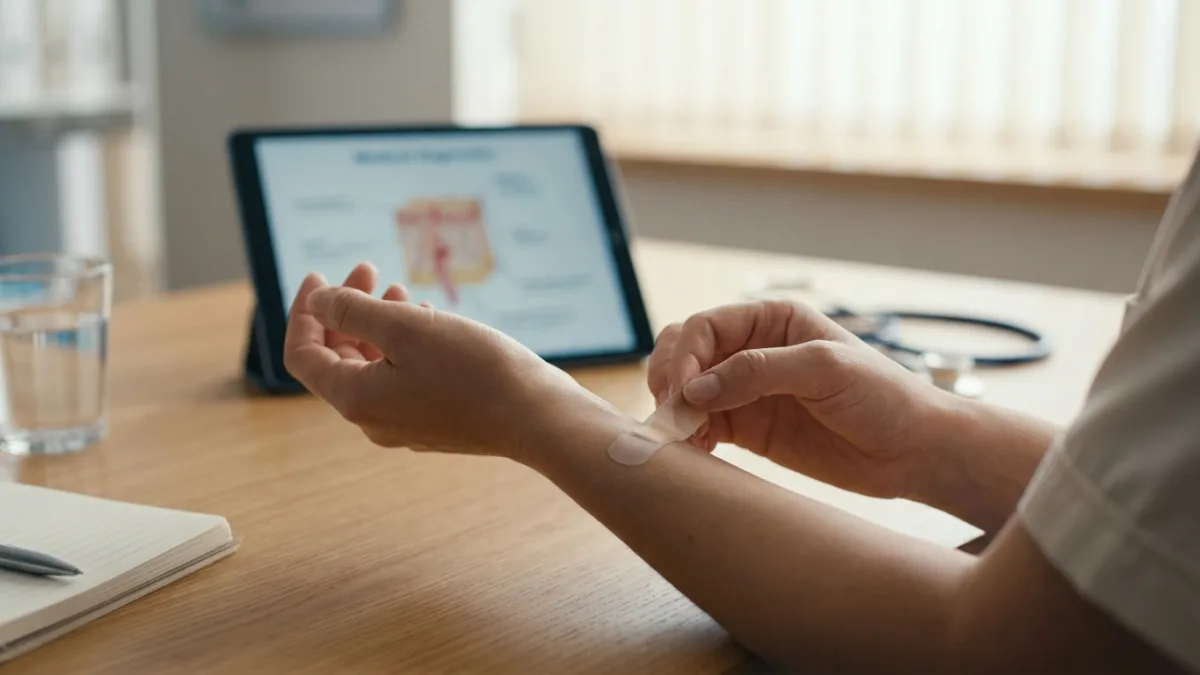

Understanding why wounds refuse to heal and what you can do about it.
Key Factors
Poor circulation, infection, diabetes, nutritional deficiencies, and certain medications are the primary culprits behind wounds that persist beyond normal healing timelines.What You'll Learn
Identify specific healing barriers affecting your wound, understand advanced treatment options, and discover actionable steps to optimize your body's natural repair processes.When to Seek Help
Wounds persisting beyond four weeks require professional evaluation. Increasing pain, spreading redness, or foul odor demand immediate medical attention to prevent serious complications.
If you're dealing with a wound that won't close, you're facing more than just frustration-delayed healing signals underlying issues that demand attention. This guide walks you through the medical, nutritional, and lifestyle factors that prevent wounds from healing properly, and shows you the evidence-based interventions that actually work.
Understanding Why Wounds Fail to Heal Properly
When you notice a wound that persists beyond the expected healing timeline, several critical factors may be interfering with your body’s natural repair process. Most healthy wounds heal within 2-4 weeks, but certain conditions can extend this timeline to months or even prevent complete healing altogether.
According to research published in Advances in Wound Care, chronic wounds impact the quality of life of nearly 2.5% of the total population of the United States. These wounds create significant health risks including infection, tissue damage, and reduced quality of life.
Initial Response
Blood clotting and inflammation (Days 1-5)
Tissue Formation
New tissue growth and contraction (Days 5-21)
Remodeling
Tissue strengthening (Weeks 3-12)
Delayed wound healing occurs when the normal phases of tissue repair-hemostasis, inflammation, proliferation, and remodeling-become disrupted or prolonged. Your body requires specific conditions to complete this complex biological process effectively.
The Normal Wound Healing Timeline
Understanding what constitutes normal healing helps identify when delays occur.
Most superficial wounds progress through distinct stages:
- Days 1-5: Blood clotting and initial inflammation
- Days 5-21: New tissue formation and wound contraction
- Weeks 3-12: Tissue remodeling and strengthening
Wounds extending beyond these timeframes without significant improvement typically indicate underlying complications requiring medical evaluation.
Red Flags Indicating Healing Problems
Several warning signs suggest your wound requires professional assessment:
- Persistent drainage after one week
- Increasing pain rather than gradual improvement
- Expanding redness or warmth around the wound site
- Foul odor from the wound
- No visible reduction in wound size after two weeks
Circulatory Issues That Compromise Healing
Poor blood circulation represents one of the most significant barriers to wound healing, as oxygen and nutrients cannot reach damaged tissues efficiently. Your circulatory system delivers essential components-white blood cells, growth factors, and building materials-necessary for tissue repair.
Peripheral Arterial Disease and Wound Recovery
Peripheral arterial disease (PAD) affects millions of Americans, particularly those over 50. According to the Centers for Disease Control and Prevention, approximately 6.5 million people age 40 and older in the United States have PAD.
This condition narrows arteries in the legs and feet, dramatically reducing blood flow to extremities. Wounds in areas affected by PAD may:
- Show minimal bleeding when injured
- Appear pale or bluish around the edges
- Feel cool to the touch compared to surrounding skin
- Cause pain that worsens with leg elevation
Critical fact: Individuals with PAD experience significantly longer wound healing times than those with healthy circulation, and face substantially higher amputation risks if wounds become infected.
Venous Insufficiency and Chronic Wounds
Venous insufficiency occurs when leg veins struggle to return blood to the heart, causing blood pooling in lower extremities. This creates sustained pressure and fluid accumulation that interferes with healing.
Research from the National Institutes of Health indicates that an estimated 500,000 à 600,000 people in the United States have venous leg ulcers, resulting in a nearly $1 billion burden on healthcare.
Common characteristics include:
- Swelling that worsens throughout the day
- Skin discoloration (brownish or reddish)
- Wounds typically located near ankles
- Heavy, aching sensation in legs
Compression therapy often becomes essential for managing venous wounds, as it counteracts the pressure buildup preventing proper healing.
Diabetes-Related Microvascular Damage
Diabetes damages small blood vessels throughout the body, creating a perfect storm for healing complications. Elevated blood sugar levels:
- Impair white blood cell function, reducing infection resistance
- Decrease collagen production needed for tissue strength
- Damage nerve endings, preventing pain signals that normally protect injuries
- Accelerate arterial narrowing in extremities
According to research published in JAMA, approximately 18.6 million people worldwide are affected by a diabetic foot ulcer each year, including 1.6 million people in the United States.
Diabetic individuals with poor glucose control experience substantially delayed healing compared to those maintaining tighter glucose control.
Metabolic and Nutritional Deficiencies
Your body cannot manufacture new tissue without adequate building materials. Nutritional deficiencies create fundamental barriers to wound healing that persist regardless of other treatments.
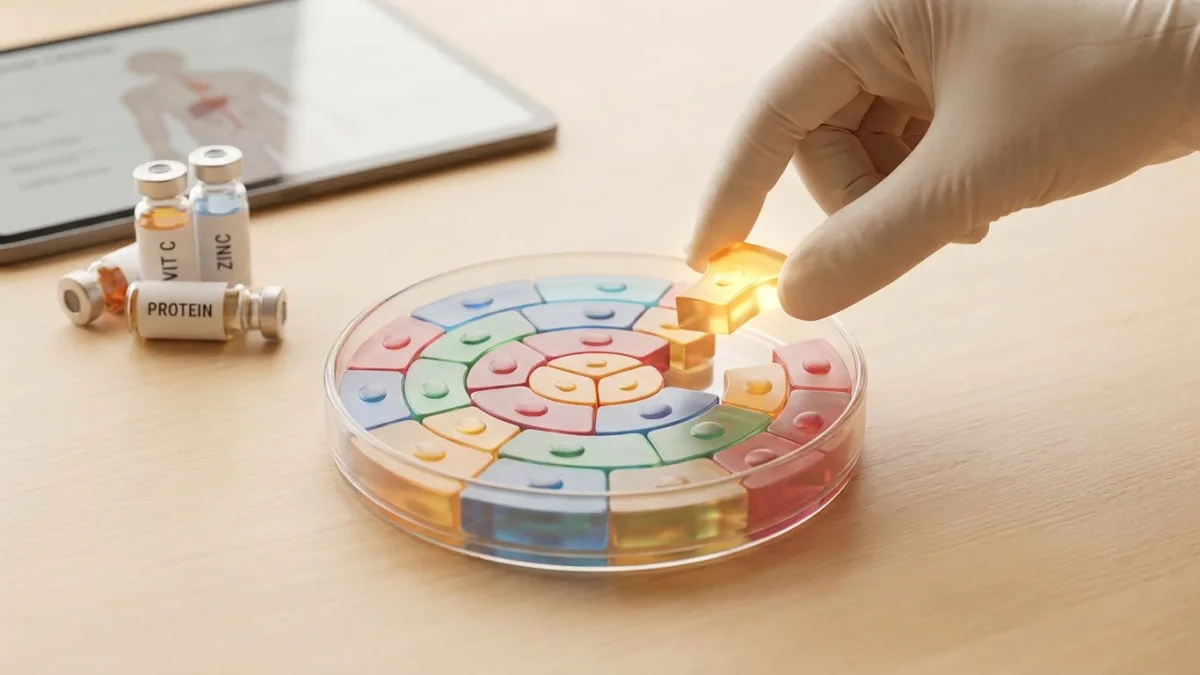
Protein Deficiency and Tissue Regeneration
Protein provides the essential amino acids required for collagen synthesis, immune cell production, and tissue remodeling. Adults need approximately 1.25-1.5 grams of protein per kilogram of body weight daily when healing wounds-significantly higher than normal requirements.
- Vitamin C: Collagen synthesis
- Zinc: Cell proliferation
- Protein: Tissue regeneration
- Vitamin A: Cell growth regulation
- Iron: Oxygen transport
- Vitamin D: Immune regulation
Signs your protein intake may be insufficient:
- Wounds producing minimal new tissue (granulation)
- Muscle wasting in other body areas
- Persistent fatigue and weakness
- Slow recovery from any illness or injury
Older adults and individuals with limited dietary variety face particular risk for protein-related healing delays.
Vitamin and Mineral Deficiencies
Several micronutrients play irreplaceable roles in wound healing:
| Nutrient | Role in Healing | Deficiency Signs |
|---|---|---|
| Vitamin C | Collagen synthesis, immune function | Bleeding gums, easy bruising, slow healing |
| Zinc | Cell proliferation, protein synthesis | Poor appetite, taste changes, hair loss |
| Vitamin A | Epithelial cell growth, inflammation regulation | Dry skin, night vision problems |
| Iron | Oxygen transport, collagen formation | Fatigue, pale skin, brittle nails |
| Vitamin D | Immune regulation, antimicrobial peptides | Muscle weakness, bone pain, frequent infections |
The Impact of Dehydration
Adequate hydration maintains blood volume necessary for delivering nutrients to wound sites. Dehydration thickens blood, reduces circulation efficiency, and impairs cellular processes. Adults healing wounds should consume at least 2-3 liters of fluid daily, adjusted for activity level and climate.
Infection and Biofilm Formation
Bacterial contamination transforms acute wounds into chronic, non-healing lesions when microorganisms establish protected communities within the wound bed.
How Infections Prevent Healing
When bacteria colonize wounds beyond the body’s ability to control them, they trigger persistent inflammation that damages newly forming tissue. The immune system remains locked in a destructive cycle:
- White blood cells attack bacteria but also damage surrounding healthy tissue
- Inflammatory chemicals break down growth factors needed for repair
- Bacterial toxins directly damage cells attempting to close the wound
- Nutrient resources get diverted to fighting infection rather than building tissue
Common signs of wound infection include increased warmth, swelling, purulent drainage, and worsening pain after initial improvement.
The Biofilm Problem
Biofilms represent sophisticated bacterial communities encased in protective slime layers that shield microorganisms from antibiotics and immune cells.
According to research published in Engineering Regeneration, studies have found biofilms in 78.2% of chronic wounds examined, making them extraordinarily difficult to eradicate.
Biofilm characteristics that prevent healing:
- Bacteria within biofilms resist antibiotic concentrations 100-1000 times higher than free-floating bacteria
- The protective matrix prevents immune cells from reaching organisms
- Biofilms continuously release toxins and inflammatory mediators
- Standard wound cleaning cannot remove established biofilms
Treatment reality: Effective biofilm management requires specialized debridement techniques that physically disrupt the protective matrix, often combined with antimicrobial therapies and advanced wound dressings.
High-Risk Wound Locations
Certain body areas face elevated infection risks due to bacterial exposure:
- Feet and lower legs: Constant contact with footwear, moisture accumulation
- Skin folds: Warmth and moisture create ideal bacterial growth conditions
- Pressure points: Tissue damage from sustained pressure increases vulnerability
- Surgical sites: Particularly those involving the gastrointestinal tract
Medications That Interfere With Healing
Numerous commonly prescribed medications directly impair wound healing mechanisms through various biological pathways. Understanding these effects helps you and your healthcare provider make informed treatment decisions.
Corticosteroids and Immune Suppression
Corticosteroids like prednisone, commonly prescribed for inflammatory conditions, significantly delay wound healing by:
- Suppressing inflammatory responses necessary for initial healing phases
- Reducing collagen synthesis and deposition
- Decreasing new blood vessel formation (angiogenesis)
- Impairing immune cell function and infection resistance
Individuals taking corticosteroids long-term may experience substantially delayed healing compared to those not on these medications. Chronic use at higher dosages creates particularly significant healing impairment.
Anticoagulants and Bleeding Risks
Blood thinners-including warfarin, apixaban, rivaroxaban, and others-prevent clot formation essential for the first healing phase. While these medications serve critical purposes in preventing strokes and blood clots, they create healing challenges:
- Prolonged bleeding from wounds
- Increased bruising and hematoma formation
- Difficulty maintaining stable wound closure
- Higher risk of wound reopening with minor trauma
Chemotherapy and Targeted Cancer Treatments
Cancer treatments intentionally target rapidly dividing cells, but this mechanism also affects the fast-growing cells required for wound repair. Chemotherapy impacts healing through:
- Direct toxicity to fibroblasts producing collagen
- Reduction in white blood cell counts (neutropenia)
- Damage to blood vessel lining cells
- Nutritional deficiencies from treatment side effects
NSAIDs and Anti-Inflammatory Effects
Non-steroidal anti-inflammatory drugs (NSAIDs) like ibuprofen and naproxen reduce pain and inflammation, but this anti-inflammatory action can delay early wound healing phases where controlled inflammation is necessary. The effect is generally modest with short-term use but becomes more significant with chronic NSAID therapy.
Underlying Medical Conditions
Chronic diseases create systemic environments hostile to tissue repair, affecting multiple healing pathways simultaneously. At Nebraska Wellness Group, we recognize that addressing underlying conditions represents a critical component of comprehensive wound care.
Diabetes and Multifactorial Healing Impairment
Diabetes affects wound healing through numerous interconnected mechanisms beyond circulation issues:
Immune dysfunction: Elevated glucose impairs neutrophil chemotaxis (movement toward infection), phagocytosis (engulfing bacteria), and killing capacity. Diabetic individuals face substantially higher infection rates in wounds.
Neuropathy complications: Nerve damage prevents protective pain sensations, allowing repeated trauma to wounds. Many diabetic foot ulcers develop from unnoticed injuries that worsen due to continued walking and pressure.
According to research from the American Diabetes Association, the lifetime risk of developing a diabetic foot ulcer is between 19% and 34%.
Advanced glycation end products (AGEs): Excess sugar molecules bind to proteins, creating dysfunctional collagen that lacks proper strength and flexibility. This affects both new tissue formation and the structural integrity of surrounding skin.
Autoimmune Diseases
Conditions like rheumatoid arthritis, lupus, and psoriasis create chronic inflammation that interferes with normal healing:
- Persistent inflammatory chemicals damage newly forming tissue
- Immune system dysfunction increases infection susceptibility
- Treatments (immunosuppressants) further compromise healing capacity
- Skin fragility in affected areas increases injury risk
Kidney Disease and Uremia
Chronic kidney disease creates a toxic internal environment where waste products accumulate in the bloodstream. Uremic toxins directly impair fibroblast function, reducing collagen production and tissue strength. Additional factors include:
- Fluid retention causing tissue swelling and reduced oxygen delivery
- Anemia limiting oxygen transport to healing tissues
- Mineral imbalances affecting cellular processes
- Increased infection risk from immune dysfunction
Liver Disease Complications
The liver produces numerous proteins essential for healing, including clotting factors, albumin, and immune components. Liver dysfunction results in:
- Prolonged bleeding due to clotting factor deficiencies
- Reduced protein availability for tissue building
- Impaired drug metabolism affecting medication safety
- Immune compromise increasing infection risk
Key insight: Many individuals with chronic wounds have multiple overlapping conditions-diabetes with kidney disease, or autoimmune disease with liver involvement-creating compounding healing challenges that require coordinated, multidisciplinary care approaches.
Obesity and Healing Complications
Excess body weight creates mechanical and metabolic barriers to healing:
- Reduced blood flow to adipose tissue limits nutrient delivery
- Chronic low-grade inflammation interferes with normal healing responses
- Mechanical stress on wounds from skin tension and movement
- Moisture accumulation in skin folds promoting bacterial growth
- Insulin resistance creating pre-diabetic or diabetic conditions
Lifestyle Factors and Environmental Influences
Beyond medical conditions, daily habits and environmental exposures significantly impact your body’s healing capacity. These modifiable factors often represent the most actionable opportunities for improving wound outcomes.
Smoking and Nicotine Effects
Tobacco use represents one of the most devastating modifiable risk factors for healing complications. Smoking affects wounds through multiple pathways:
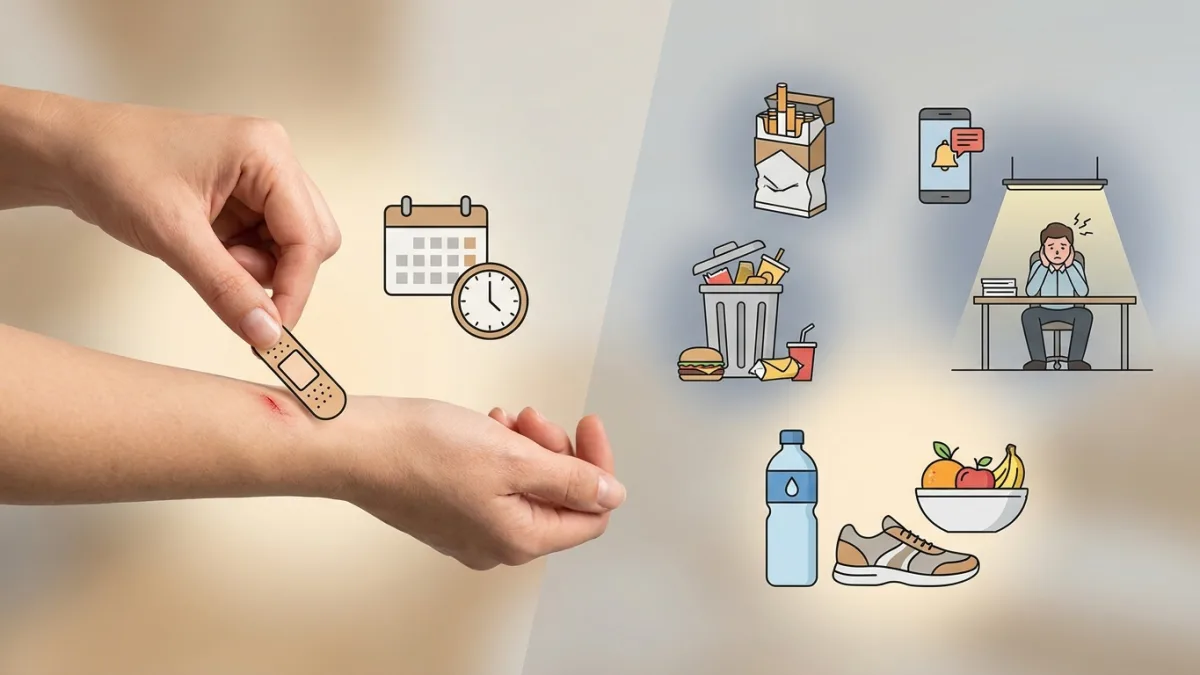
Smoking Impact on Healing
Smoking causes vasoconstriction, tissue hypoxia, and immune impairment. Cessation for 4-6 weeks significantly reduces complications.
Vasoconstriction: Nicotine causes blood vessels to narrow, reducing oxygen and nutrient delivery to healing tissues. This effect persists for hours after each cigarette.
Tissue hypoxia: Carbon monoxide from smoke binds to hemoglobin more readily than oxygen, further limiting oxygen availability. Adequate oxygen is essential for collagen synthesis and bacterial killing.
Immune impairment: Smoking reduces white blood cell function and antibody production, increasing infection risk substantially.
Direct toxicity: Cigarette smoke contains thousands of chemicals that damage cells and interfere with growth factor signaling.
According to research published in Wound Repair and Regeneration, smoking is associated with a 65% increased risk of postoperative wound disruption and a 31% increased risk of surgical site infection compared to non-smokers.
Evidence-based recommendation: Smoking cessation for even 4-6 weeks before planned procedures substantially reduces complication risks. For existing wounds, quitting immediately provides measurable benefits within days.
Alcohol Consumption
Chronic alcohol use impairs healing through nutritional deficiencies, immune dysfunction, and direct cellular toxicity:
- Interferes with vitamin and mineral absorption (particularly B vitamins, zinc, and folate)
- Damages liver function, reducing protein production
- Suppresses immune responses and increases infection susceptibility
- Causes dehydration affecting blood volume and circulation
- Impairs sleep quality necessary for tissue repair
Sleep Deprivation and Healing
Sleep represents a critical period for tissue repair and immune function. During deep sleep stages, your body:
- Releases growth hormone essential for tissue regeneration
- Produces cytokines that regulate immune responses
- Allocates energy resources to repair processes
- Consolidates healing progress from daytime activities
Chronic sleep restriction (less than 6-7 hours nightly) measurably delays wound healing and increases infection risk. Studies show that individuals with poor sleep quality experience significantly slower healing compared to those with adequate rest.
Stress and Cortisol Elevation
Psychological stress triggers cortisol release, which serves protective functions short-term but becomes harmful when chronically elevated:
- Suppresses immune function, particularly T-cell activity
- Reduces growth factor production
- Increases blood sugar levels (stress hyperglycemia)
- Promotes inflammation while simultaneously impairing healing responses
- Interferes with sleep quality
Individuals experiencing major life stressors-caregiving responsibilities, financial hardship, relationship problems-demonstrate measurably slower wound healing in research settings.
Physical Activity Balance
Both extremes of activity levels create healing challenges:
Excessive immobility reduces circulation, promotes muscle wasting, and increases pressure ulcer risk. Even bedridden individuals benefit from position changes and passive range-of-motion exercises.
Excessive activity on wounded areas causes mechanical disruption of forming tissue, bleeding, and wound breakdown. Lower extremity wounds particularly require activity modification during healing.
The optimal approach involves:
- Maintaining general circulation through appropriate activity
- Protecting wounded areas from mechanical stress
- Gradually increasing activity as healing progresses
- Using assistive devices when necessary to offload pressure
Environmental Temperature and Wound Healing
Wound temperature significantly affects healing rates. Optimal healing occurs at temperatures slightly above normal body temperature (around 37-38°C or 98.6-100.4°F). Cold exposure:
- Reduces cellular metabolic activity and enzyme function
- Decreases blood flow through vasoconstriction
- Slows all phases of healing
- Increases pain and discomfort
Modern wound dressings often incorporate temperature-maintaining properties to optimize the healing environment.
Advanced Wound Care Interventions
When standard wound care approaches fail to produce healing progress, specialized interventions targeting specific healing barriers become necessary. These advanced therapies address the complex pathologies underlying chronic wounds.
Debridement Techniques
Removing dead tissue, biofilms, and debris represents a fundamental requirement for healing progression. Several debridement methods exist:
| Method | Mechanism | Best Applications | Considerations |
|---|---|---|---|
| Sharp/Surgical | Scalpel or scissors removal of non-viable tissue | Thick eschar, urgent debridement needs | Requires skilled practitioner, may cause bleeding |
| Enzymatic | Topical enzymes digest dead tissue | Patients unable to tolerate sharp debridement | Slower process, requires multiple applications |
| Autolytic | Body’s own enzymes under occlusive dressing | Minimally necrotic wounds, fragile patients | Slowest method, not for infected wounds |
| Mechanical | Physical removal via wet-to-dry dressings | Limited use due to tissue damage potential | Non-selective, painful, largely outdated |
| Biological | Medical-grade maggots consume dead tissue | Heavily necrotic wounds, antibiotic-resistant infections | Psychological barriers for some patients |
Regular debridement-often weekly or biweekly-maintains a clean wound bed conducive to healing.
Negative Pressure Wound Therapy
Negative pressure wound therapy (NPWT) applies controlled suction to wounds through specialized dressings, creating an environment that:
- Removes excess fluid and infectious material
- Increases blood flow to the wound bed
- Reduces wound size through mechanical contraction
- Promotes granulation tissue formation
- Provides a protected, moist healing environment
NPWT proves particularly effective for:
- Large surgical wounds
- Diabetic foot ulcers
- Pressure injuries
- Traumatic wounds with significant tissue loss
Treatment typically continues for several weeks with dressing changes every 2-3 days.
Bioengineered Skin Substitutes
When wounds fail to heal despite conventional interventions, bioengineered tissues provide growth factors, scaffolding, and cellular components that jump-start stalled healing processes. These products include:
Cellular matrices: Derived from human or animal tissues, providing collagen scaffolding and growth factors that stimulate patient’s own cells.
Living skin equivalents: Contain living fibroblasts and keratinocytes that actively produce growth factors and extracellular matrix components.
Acellular products: Provide structural support without living cells, serving as templates for the patient’s cells to populate.
These advanced therapies work best when underlying healing barriers-circulation problems, infection, nutritional deficiencies-have been addressed.
Hyperbaric Oxygen Therapy
Hyperbaric oxygen therapy (HBOT) involves breathing pure oxygen in a pressurized chamber, dramatically increasing oxygen levels in blood and tissues. This therapy:
- Enhances white blood cell bacterial killing capacity
- Stimulates new blood vessel formation
- Increases fibroblast activity and collagen production
- Reduces swelling and inflammation
- Improves antibiotic effectiveness against certain bacteria
HBOT typically requires 20-40 daily sessions and proves most beneficial for:
- Diabetic foot ulcers with adequate circulation
- Radiation-damaged tissue wounds
- Compromised skin grafts or flaps
- Certain severe infections
Growth Factor Therapies
Topical application of concentrated growth factors-proteins that signal cells to proliferate and migrate-can stimulate healing in chronic wounds. Platelet-derived growth factor (PDGF) represents the most extensively studied, showing effectiveness particularly in diabetic foot ulcers.
Emerging approaches include platelet-rich plasma (PRP) derived from the patient’s own blood, concentrated and applied to wounds to deliver multiple growth factors simultaneously.
Electrical Stimulation
Low-level electrical currents applied to wound areas can:
- Attract cells involved in healing to the wound site
- Increase blood flow and oxygen delivery
- Enhance antimicrobial activity
- Stimulate cellular proliferation
While not appropriate for all wound types, electrical stimulation shows promise particularly for pressure ulcers and venous leg ulcers resistant to conventional treatment.
Comprehensive Treatment Approaches
Effective management of non-healing wounds requires addressing all contributing factors simultaneously rather than focusing on isolated interventions. This comprehensive approach forms the foundation of advanced wound care at specialized clinics.
Optimizing Nutrition and Metabolic Status
Nutritional optimization provides the raw materials essential for healing:
Comprehensive Healing Strategy
5 key elements- 1 Optimize nutrition with adequate protein intake
- 2 Control infection through antimicrobials and debridement
- 3 Improve circulation via vascular assessment
- 4 Manage pain to reduce stress responses
- 5 Coordinate multidisciplinary specialist care
Protein supplementation: Achieving 1.25-1.5 grams per kilogram body weight daily through dietary sources or supplements. High-quality protein sources include lean meats, fish, eggs, dairy, legumes, and protein powders.
Micronutrient repletion: Laboratory testing identifies specific deficiencies requiring supplementation. Common interventions include:
- Vitamin C: 500-1000mg daily for collagen synthesis
- Zinc: 15-30mg daily for cell proliferation (avoid excessive doses)
- Vitamin D: Dosing based on serum levels, often 1000-2000 IU daily
- Iron: If deficient, under medical supervision due to potential side effects
Blood sugar management: For diabetic and pre-diabetic individuals, achieving good glycemic control substantially improves healing outcomes. This requires coordinated dietary modifications, medication adjustments, and consistent monitoring.
Hydration protocols: Ensuring adequate fluid intake through scheduled consumption rather than relying on thirst, which diminishes with age.
Infection Control Strategies
Comprehensive infection management extends beyond antibiotics:
Topical antimicrobials: Silver-containing dressings, medical-grade honey, iodine preparations, and other agents that reduce bacterial burden without systemic side effects.
Systemic antibiotics: Reserved for wounds with spreading infection, systemic signs, or deep tissue involvement. Targeted therapy based on culture results when possible.
Biofilm disruption: Regular mechanical debridement combined with antimicrobial strategies specifically targeting biofilm matrices.
Moisture balance: Maintaining optimal wound moisture-neither too dry nor too wet-through appropriate dressing selection.
Improving Circulation
Vascular assessment and intervention form critical components of healing chronic wounds:
Arterial disease management: Evaluation by vascular specialists, potential interventions including angioplasty, stenting, or bypass surgery to restore blood flow to affected areas.
Venous insufficiency treatment: Compression therapy remains the cornerstone, with compression levels and types customized to individual tolerance and wound characteristics. Potential surgical interventions for severe cases.
Medical optimization: Managing conditions affecting circulation including blood pressure, cholesterol, and diabetes through medication and lifestyle modifications.
Pain Management
Uncontrolled pain interferes with healing through stress responses and reduced mobility. Comprehensive pain management includes:
- Appropriate analgesic medications balanced against healing effects
- Topical anesthetics for dressing changes
- Atraumatic dressing selection minimizing adherence to wound beds
- Scheduled pain medication before anticipated painful procedures
Patient Education and Self-Management
Empowering patients with knowledge and skills dramatically improves outcomes:
- Understanding their specific healing barriers
- Proper wound care techniques for home management
- Recognizing signs of complications requiring medical attention
- Nutritional strategies and meal planning
- Appropriate activity levels and wound protection methods
- Medication adherence and potential side effects
Coordinated Multidisciplinary Care
Complex wounds often require expertise from multiple specialists:
- Wound care specialists: Overall coordination and advanced treatment modalities
- Vascular surgeons: Circulation assessment and intervention
- Endocrinologists: Diabetes and metabolic optimization
- Infectious disease specialists: Complex or resistant infections
- Nutritionists: Dietary assessment and intervention planning
- Physical therapists: Mobility optimization and pressure redistribution
- Primary care providers: Management of underlying conditions
At Nebraska Wellness Group, our comprehensive approach integrates these elements, recognizing that successful wound healing requires addressing the whole patient-not just the wound itself. Our advanced wound care programs combine cutting-edge treatments with meticulous attention to the underlying factors preventing healing, helping patients achieve closure of even the most stubborn wounds.
Treatment philosophy: The most sophisticated wound dressing cannot compensate for untreated diabetes, continued smoking, or severe nutritional deficiency. Sustainable healing requires systematic identification and correction of all modifiable barriers while managing non-modifiable factors to minimize their impact.
Frequently Asked Questions
Infection is the most common cause of wound-related morbidity and delayed healing. When bacteria contaminate a wound, the body’s immune system focuses on fighting the infection rather than repairing tissue, which significantly prolongs the healing process. Other frequent causes include certain medical conditions such as diabetes, decreased blood flow, poor nutrition, and repeated irritation to the wound area.
Most wounds generally heal within 4 to 6 weeks, and those that fail to heal within this timeframe are considered chronic wounds. Chronic wounds can take months to heal, and some may never heal completely without proper treatment. Doctors typically consider a wound chronic if it doesn’t start to heal within 4 to 12 weeks despite treatment.
Proper wound care, good nutrition, and consistent medical follow-up are essential to promote recovery and treat underlying issues. Treatment approaches include keeping the wound clean and properly dressed, managing underlying conditions like diabetes or poor circulation, ensuring adequate protein intake, and maintaining proper hydration. Glycemic control, weight reduction, and smoking cessation programs can optimize perfusion and reduce the risk of infection and delayed healing.
The 4 C’s of wound healing are Cellular Response, Coagulation, Contamination, and Closure, which provide a framework for understanding the fundamental principles and processes involved in wound repair. Cellular Response involves the recruitment of inflammatory cells to remove debris and damaged tissue. Coagulation refers to blood clotting that stops bleeding. Contamination addresses the presence of microorganisms that can impede healing. Closure represents the ultimate goal of restoring skin integrity through either primary or secondary intention.
A wound that has not healed within four weeks is considered chronic and needs medical attention by a professional wound care specialist. Warning signs requiring immediate medical attention include persistent redness, warmth, or swelling around the wound, increased pain or tenderness, excessive drainage or pus with unusual color or odor, and blackened or dead tissue around the site. Without treatment, chronic wounds can increase your risk of serious complications such as infection, tissue loss, and even limb amputation, particularly for those with diabetes or vascular disease.
Common conditions include diabetic foot problems, blood flow problems, and venous insufficiency, where poor circulation prevents adequate delivery of oxygen and nutrients to the wound site. A weakened immune system due to cancer or other conditions, as well as mechanical pressure from prolonged bed rest or wheelchair use, can also impair healing. Additionally, increased age is a major risk factor, as aging causes a temporal delay in wound healing, though not necessarily an actual impairment in the quality of healing in healthy older adults.
Initial swelling, pain, redness, and clear discharge are normal as long as they’re not excessive and don’t last more than a week, with new tissue starting to grow over the wound as healing progresses. Healthy healing signs include gradually decreasing pain and discomfort, reduction in swelling and inflammation, and the formation of granulation tissue with its characteristic beefy red appearance. The absence of infection signs such as increased redness, warmth, swelling, pain, or drainage with a foul odor indicates proper healing.