
What to Expect in Your First 30 Days on Semaglutide


Your first 30 days on semaglutide bring physical changes, side effects, and early weight loss results.
What Happens
You'll start with 0.25 mg weekly for four weeks. Expect reduced appetite within days, possible nausea, slower digestion, and modest initial weight loss as your body adjusts.Key Benefits
Dramatic appetite suppression, stabilized blood sugar, reduced food cravings, and improved energy patterns emerge as GLP-1 receptors activate throughout your body.Important Considerations
Nausea affects 44% of patients initially. Prioritize protein intake and hydration despite reduced appetite. Contact your provider if symptoms prevent adequate nutrition.
Starting semaglutide feels uncertain-you're wondering what's normal, what's concerning, and whether your experience matches expectations. This guide walks you through exactly what happens during your first month, from the initial injection to managing side effects and understanding realistic weight loss timelines. You'll know what to expect each week and how to navigate this adjustment period confidently.
Understanding Semaglutide and How It Works in Your Body
Slows Digestion
Food stays in stomach longer
Reduces Appetite
Acts on brain hunger signals
Stabilizes Blood Sugar
Enhances insulin, suppresses glucagon
Semaglutide is a glucagon-like peptide-1 (GLP-1) receptor agonist that mimics a naturally occurring hormone in your body. When you begin treatment, the medication works by binding to GLP-1 receptors in multiple organs, triggering a cascade of metabolic effects that extend far beyond simple appetite suppression.
According to the National Center for Biotechnology Information, semaglutide operates through several distinct mechanisms. First, it slows gastric emptying, meaning food remains in your stomach longer, creating prolonged feelings of fullness. Second, it acts directly on brain regions that regulate appetite, particularly the hypothalamus, reducing hunger signals and food cravings.
Third, it enhances insulin secretion when blood glucose levels are elevated while simultaneously suppressing glucagon release, which helps stabilize blood sugar levels throughout the day.
The Science Behind GLP-1 Receptor Activation
When semaglutide binds to GLP-1 receptors, it activates intracellular signaling pathways that influence glucose metabolism and energy homeostasis. This receptor activation occurs primarily in pancreatic beta cells, the gastrointestinal tract, and specific brain regions.
The medication has a half-life of approximately seven days according to research published in PubMed, which allows for once-weekly dosing and provides consistent therapeutic levels throughout your treatment period.
The molecular structure of semaglutide includes modifications that make it resistant to degradation by the enzyme dipeptidyl peptidase-4 (DPP-4), which normally breaks down natural GLP-1 within approximately two minutes according to the FDA clinical pharmacology review. These structural changes, including the addition of a fatty acid side chain, allow the medication to remain active in your system for extended periods.
Initial Dosing Protocol and Medication Administration
Your first month typically begins with a starter dose to allow your body to adjust to the medication. Most protocols initiate treatment with 0.25 mg once weekly for the first four weeks according to official Ozempic dosing guidelines. This titration approach minimizes potential side effects while your system adapts to the medication’s effects.
The injection process itself is straightforward. You’ll administer semaglutide subcutaneously, typically in your abdomen, thigh, or upper arm. The injection site should be rotated weekly to prevent lipodystrophy or injection site reactions. The medication comes in pre-filled pens with precise dosing mechanisms that eliminate the need for manual measurement.
Critical Point: Never adjust your dosing schedule without consulting your healthcare provider. The titration protocol is specifically designed to optimize therapeutic benefits while minimizing adverse effects.
What Happens at the Cellular Level During Week One
During your first week on semaglutide, your body begins responding to the medication at a cellular level before you notice outward changes. GLP-1 receptors throughout your body start experiencing sustained activation, initiating metabolic shifts that will become more apparent in subsequent weeks.
Your pancreatic beta cells begin responding more efficiently to glucose signals, improving insulin secretion patterns. Simultaneously, alpha cells in your pancreas reduce glucagon output, which helps prevent excessive glucose production by your liver. These changes occur gradually, with steady-state exposure typically achieved after four to five weeks of weekly administration.
Physical Changes and Sensations You’ll Experience
The first 30 days on semaglutide bring noticeable physical changes that vary significantly among individuals. Understanding what’s normal helps you navigate this adjustment period with confidence and recognize when to contact your healthcare provider.
Appetite Suppression and Hunger Pattern Changes
Most patients report a dramatic shift in hunger patterns within the first week of treatment. You may notice that your typical meal portions suddenly feel overwhelming, or that you can comfortably go longer periods between meals without experiencing intense hunger. This isn’t willpower-it’s the medication directly affecting appetite-regulating centers in your brain.
The sensation differs from traditional dieting. Rather than fighting constant hunger, many patients describe simply “forgetting” to eat or feeling satisfied after consuming significantly smaller portions. Food noise-the constant mental preoccupation with eating-often diminishes substantially. Some patients report that foods they previously found irresistible suddenly hold less appeal.
Gastrointestinal Adjustments and Digestive Changes
Gastrointestinal effects represent the most common physical sensations during your first month. According to NCBI research, nausea occurs in approximately 44% of patients on the 2.4 mg weight loss dose. This usually peaks during the first two weeks and gradually improves as your body adjusts.
You’ll likely notice slower digestion. Meals sit in your stomach longer, which contributes to extended satiety but can also create feelings of fullness or bloating. Some patients experience changes in bowel habits, including constipation or, less commonly, diarrhea. These digestive changes reflect the medication’s effect on gastric motility and intestinal transit time.
| Gastrointestinal Effect | Typical Onset | Duration | Management Strategy |
|---|---|---|---|
| Nausea | Days 1-7 | 1-3 weeks | Smaller meals, avoid fatty foods |
| Reduced appetite | Days 2-5 | Ongoing | Prioritize protein intake |
| Bloating | Week 1-2 | 2-4 weeks | Eat slowly, stay hydrated |
| Constipation | Week 2-3 | Variable | Increase fiber and water |
| Heartburn/reflux | Week 1-2 | 1-3 weeks | Avoid lying down after meals |
Energy Level Fluctuations
Energy patterns during the first month can be unpredictable. Some patients experience initial fatigue as their body adjusts to reduced caloric intake and metabolic changes. This typically manifests as feeling more tired than usual, particularly in the afternoon, or needing additional rest during the first two weeks.
Conversely, other patients report increased energy levels as blood sugar stabilizes and inflammation decreases. This dichotomy often relates to individual metabolic baselines and how dramatically your eating patterns change. If you were previously experiencing blood sugar spikes and crashes, the stabilization effect may actually improve your energy consistency.
Changes in Taste and Food Preferences
A fascinating phenomenon many patients experience is altered taste perception and food preferences. Foods you previously enjoyed may suddenly taste different or become unappealing. This particularly affects high-fat, high-sugar, or heavily processed foods. The mechanism behind this isn’t fully understood but likely involves changes in taste receptor sensitivity and reward pathway activation in the brain.
Some patients develop food aversions, where specific foods trigger nausea or discomfort. Conversely, you might find yourself drawn to simpler, whole foods that you previously overlooked. These preference shifts often support healthier eating patterns naturally, without requiring conscious restriction.
Weight Loss Timeline and Realistic Expectations
Understanding the weight loss trajectory during your first month helps set realistic expectations and prevents discouragement when results don’t match social media claims or anecdotal stories.
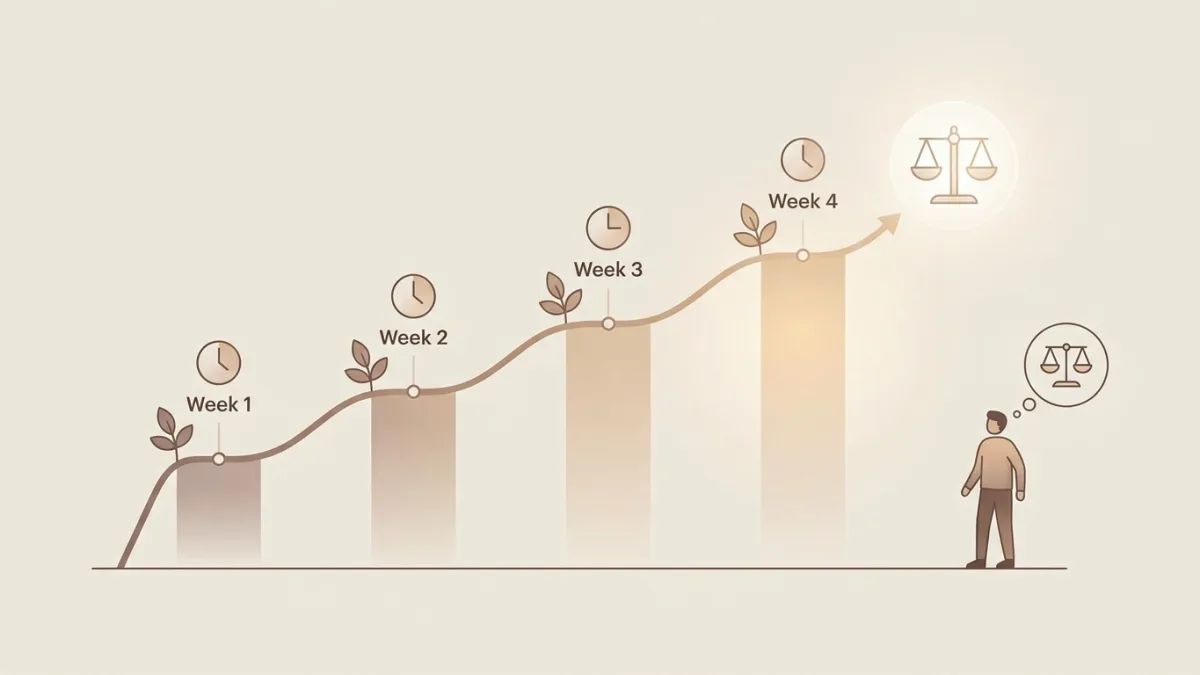
Week-by-Week Weight Changes
Week 1-2: Initial weight loss during the first two weeks often includes water weight reduction. As your carbohydrate intake decreases and insulin levels stabilize, your body releases stored glycogen along with associated water. This can result in a noticeable drop on the scale, but it’s important to understand that this isn’t purely fat loss. Some patients lose several pounds during this period, while others see minimal changes.
Week 3-4: True fat loss becomes more apparent during weeks three and four. As your caloric intake remains consistently lower and your metabolism adjusts, your body increasingly relies on stored fat for energy. Weight loss during this period typically becomes more steady and predictable, though the rate varies based on your starting weight, metabolic rate, and adherence to nutrition guidelines.
Individual Variation in Response
Weight loss on semaglutide is highly individualized. Factors influencing your first-month results include your starting BMI, metabolic health, insulin sensitivity, medication dosage, dietary choices, activity level, sleep quality, stress levels, and hormonal balance. Two patients following identical protocols can experience markedly different outcomes.
According to the New England Journal of Medicine, patients with higher starting weights or significant insulin resistance often see more dramatic initial results. The landmark STEP 1 trial demonstrated a mean weight loss of 14.9% over 68 weeks with semaglutide 2.4 mg.
Those closer to their goal weight or with better baseline metabolic health may experience slower, more gradual changes. Neither scenario indicates treatment failure-it simply reflects individual metabolic differences.
Important Reality Check: Social media often showcases exceptional results that aren’t representative of typical outcomes. Focus on your individual progress rather than comparing yourself to others.
Non-Scale Victories to Track
Weight on the scale tells an incomplete story. During your first 30 days, track these equally important indicators of progress:
- Measurements: Waist, hip, chest, and thigh circumferences often decrease before significant scale changes occur
- Clothing fit: How your clothes feel provides tangible feedback about body composition changes
- Energy levels: Improved stamina and reduced afternoon fatigue
- Blood sugar stability: More consistent glucose readings throughout the day
- Hunger patterns: Reduced food preoccupation and easier appetite management
- Physical capabilities: Improved mobility, reduced joint discomfort, better exercise tolerance
- Sleep quality: Many patients report improved sleep patterns
- Inflammatory markers: Reduced bloating, clearer skin, decreased joint pain
Managing Expectations About Rapid Results
The first month serves as a foundation-building period rather than a showcase of final results. Your body is adjusting to the medication, learning new hunger cues, and beginning metabolic shifts that will compound over time. Expecting dramatic transformation within 30 days sets you up for disappointment.
Clinical trials demonstrate that weight loss on semaglutide follows a trajectory that extends over many months, with most significant results appearing between months three and twelve. Your first month represents the beginning of this journey, not the endpoint. Patients who maintain realistic expectations and focus on sustainable habits rather than rapid results achieve better long-term outcomes.
Side Effects Management and Mitigation Strategies
Nausea Management Tips
5 strategies- 1 Eat smaller, more frequent meals
- 2 Avoid high-fat foods
- 3 Limit spicy or heavily seasoned foods
- 4 Choose cold or room-temperature foods
- 5 Stay hydrated between meals
Effectively managing side effects during your first month significantly improves treatment adherence and quality of life. Most adverse effects are manageable with proper strategies and typically diminish as your body adjusts.
Nausea Prevention and Relief Techniques
Nausea represents the most commonly reported side effect, but numerous strategies can minimize its impact. Timing your meals strategically around your injection schedule helps many patients. Some find that injecting before bed reduces daytime nausea, while others prefer morning injections.
Dietary modifications that reduce nausea include eating smaller, more frequent meals rather than three large ones, avoiding high-fat foods that slow digestion further, limiting spicy or heavily seasoned foods, staying away from strong food odors, and eating cold or room-temperature foods rather than hot meals. Ginger-whether as tea, supplements, or crystallized-provides natural anti-nausea properties that many patients find helpful.
Practical anti-nausea techniques include eating slowly and chewing thoroughly, stopping before feeling completely full, avoiding lying down immediately after eating, staying well-hydrated between meals rather than drinking large amounts with food, and using acupressure wristbands designed for motion sickness.
Optimizing Hydration and Nutrition
Reduced appetite can inadvertently lead to inadequate hydration and nutrition. You must consciously prioritize both, even when you don’t feel hungry or thirsty. Dehydration exacerbates many side effects, including nausea, constipation, fatigue, and headaches.
Hydration strategies include setting hourly reminders to drink water, keeping water readily accessible throughout the day, consuming electrolyte-enhanced beverages if plain water feels unappealing, tracking daily fluid intake, and recognizing that your thirst signals may be diminished.
Nutrition prioritization becomes critical when your food intake decreases. Focus on nutrient-dense foods that provide maximum nutritional value in smaller volumes. Protein intake deserves particular attention-aim for adequate protein at each meal to preserve lean muscle mass during weight loss.
Research from the Endocrine Society indicates that approximately 40% of weight lost from taking semaglutide comes from lean mass, including muscle. Higher protein intake may help protect against this muscle loss, particularly in women and older adults.
Many patients benefit from protein supplements or shakes when solid food feels unappealing.
| Nutrient Priority | Daily Target | Best Sources | Why It Matters |
|---|---|---|---|
| Protein | 1.2-1.6g per kg body weight | Lean meats, fish, eggs, Greek yogurt | Preserves muscle mass |
| Fiber | 25-38g | Vegetables, berries, legumes | Prevents constipation |
| Healthy fats | 20-30% of calories | Avocado, nuts, olive oil | Supports hormone production |
| Micronutrients | RDA levels | Multivitamin, varied whole foods | Prevents deficiencies |
| Water | 64-100 oz | Water, herbal tea, broth | Manages side effects |
Addressing Constipation Proactively
Constipation develops in many patients due to slower intestinal transit time and reduced food volume. Address this proactively rather than waiting for it to become uncomfortable. Increase fiber intake gradually through vegetables, fruits, and whole grains. Sudden dramatic increases in fiber can worsen bloating, so adjust incrementally.
Adequate hydration is essential for preventing constipation-fiber without sufficient water can actually worsen the problem. Regular physical activity, even gentle walking, stimulates intestinal motility. Some patients benefit from magnesium supplements, which have a natural laxative effect. If constipation persists despite these measures, discuss stool softeners or gentle laxatives with your healthcare provider.
When to Contact Your Healthcare Provider
Most side effects during the first month are expected and manageable, but certain symptoms warrant immediate medical attention. Contact your provider if you experience severe, persistent nausea or vomiting that prevents adequate hydration, severe abdominal pain, particularly if localized to the upper abdomen, signs of pancreatitis including intense abdominal pain radiating to the back, changes in vision, rapid heartbeat or heart palpitations, signs of gallbladder problems, or allergic reactions including rash, swelling, or difficulty breathing.
Additionally, reach out if side effects significantly impair your quality of life or prevent you from maintaining adequate nutrition and hydration. Your provider may adjust your dosage, recommend additional supportive measures, or modify your treatment protocol.
Lifestyle Adjustments and Practical Tips
- Weekly weight
- BMI changes
- Pounds lost
- Body measurements
- Clothing fit
- Energy levels
- Blood sugar stability
Successfully navigating your first month on semaglutide extends beyond managing side effects-it involves establishing sustainable habits that support long-term success.

Meal Planning and Eating Strategies
Your relationship with food will change dramatically during this first month. Meal planning becomes essential when your appetite is unpredictable and portion sizes shrink. Prepare smaller portions than you think you’ll need-you can always get more, but wasting food or forcing yourself to finish large servings creates unnecessary discomfort.
Effective eating practices include starting each meal with protein to ensure adequate intake before fullness sets in, eating slowly and mindfully to recognize satiety signals before overeating, using smaller plates and bowls to make appropriate portions appear more satisfying, preparing meals in advance when you have energy and appetite, and keeping easy-to-digest, nutrient-dense foods readily available.
Many patients find that their eating window naturally narrows. You might comfortably skip breakfast or eat dinner earlier than usual. Listen to your body’s signals rather than forcing yourself to eat according to conventional meal timing if it doesn’t feel right.
Exercise and Physical Activity Recommendations
Physical activity during your first month should balance supporting your weight loss goals with accommodating potential fatigue and reduced energy intake. This isn’t the time to launch an intense new workout regimen if you weren’t previously active. Instead, focus on consistent, moderate activity that feels sustainable.
Walking represents an ideal exercise during this adjustment period-it’s low-impact, accessible, supports digestion, and can be adjusted based on your energy levels. Aim for daily movement, even if just for 10-15 minutes initially. As your energy stabilizes, gradually increase duration and intensity.
Exercise considerations include scheduling workouts when your energy is typically highest, staying well-hydrated before, during, and after activity, consuming adequate protein to support muscle maintenance, listening to your body and resting when needed, and focusing on consistency over intensity during this adjustment phase.
Resistance training deserves attention even during your first month. Preserving lean muscle mass during weight loss is crucial for maintaining metabolic rate and achieving favorable body composition. Even two brief strength training sessions weekly provide significant benefits.
Sleep Optimization and Stress Management
Sleep quality significantly impacts weight loss success and side effect management. Prioritize consistent sleep schedules, aiming for seven to nine hours nightly. Poor sleep disrupts hunger hormones, increases stress, impairs decision-making around food choices, and reduces energy for physical activity.
Sleep hygiene practices include maintaining consistent bed and wake times, creating a cool, dark sleeping environment, limiting screen exposure before bed, avoiding large meals close to bedtime, and considering relaxation techniques like meditation or gentle stretching.
Stress management is equally important. Elevated stress hormones can impair weight loss and exacerbate side effects. Incorporate stress-reduction practices that resonate with you-whether meditation, deep breathing exercises, yoga, journaling, or spending time in nature.
Social Situations and Dining Out
Navigating social situations during your first month presents unique challenges. Your reduced appetite and potential side effects may make restaurant meals or social gatherings centered around food feel complicated. Planning ahead helps you manage these situations confidently.
When dining out, review menus in advance and identify appropriate options. Don’t hesitate to request modifications-smaller portions, dressings on the side, or substitutions. Many restaurants accommodate such requests readily. Consider eating a small, protein-rich snack before social events to prevent arriving overly hungry, which might lead to overeating despite reduced appetite signals.
Social Strategy: Be prepared with a brief, comfortable explanation for why you’re eating less if others comment. You control how much you share about your treatment-a simple “I’m focusing on my health” suffices without detailed explanations.
Tracking Progress Effectively
Systematic tracking during your first month provides valuable data about your individual response to semaglutide and helps identify patterns. Consider tracking weight weekly rather than daily to avoid fixating on normal fluctuations, measurements every two weeks, daily food intake focusing on protein and hydration, side effects and their severity, energy levels and sleep quality, physical activity, and how you feel overall.
Various apps and tools can simplify this process, but even a simple notebook or spreadsheet works effectively. The goal isn’t obsessive monitoring but rather collecting information that helps you and your healthcare provider optimize your treatment.
Long-Term Success Foundation and Next Steps
Muscle Preservation Alert
Approximately 40% of weight lost from semaglutide comes from lean mass, including muscle. Higher protein intake and resistance training help protect against this loss.
Endocrine Society ResearchYour first 30 days on semaglutide establishes the foundation for long-term success. Understanding what comes next and how to build on this initial period helps you maintain momentum and achieve your health goals.
Building Sustainable Habits Beyond the First Month
The habits you establish during your first month will serve you throughout your treatment and beyond. Focus on developing sustainable practices rather than relying solely on the medication’s appetite-suppressing effects. Semaglutide is a powerful tool, but long-term success requires behavioral changes that persist even if you eventually discontinue the medication.
Foundational habits to establish include prioritizing protein at every meal, staying consistently hydrated throughout the day, moving your body regularly in ways you enjoy, getting adequate sleep, managing stress proactively, eating mindfully and slowly, and planning meals and snacks in advance.
These habits become easier to maintain as they become routine. Your first month involves conscious effort to implement them, but by month three or four, many will feel automatic. This automaticity is crucial-it means you’re developing genuine lifestyle changes rather than temporary modifications.
Dosage Progression and Titration Schedule
After your first month, your healthcare provider will likely recommend increasing your dosage according to a predetermined titration schedule. This gradual increase optimizes therapeutic benefits while minimizing side effects. Each dosage increase may temporarily reintroduce some side effects you experienced initially, though typically less severely.
The titration process continues over several months until you reach your maintenance dose or the dose that provides optimal results with manageable side effects. Some patients achieve their goals at lower doses, while others require maximum dosing for full benefits. Your individual response guides this progression.
What to expect with dosage increases: mild return of nausea or gastrointestinal effects for a few days, potentially enhanced appetite suppression, continued weight loss progression, and the need to readjust eating patterns slightly.
Monitoring Health Markers and Medical Follow-Up
Regular follow-up with your healthcare provider ensures safe, effective treatment. Beyond weight and side effects, your provider will monitor various health markers to assess your overall response and detect any potential complications early.
According to the Centers for Disease Control and Prevention, typical monitoring includes blood glucose levels, especially if you have diabetes or prediabetes, kidney function tests, liver function tests, heart rate and blood pressure, and assessment for signs of gallbladder issues or pancreatitis. The frequency of these checks varies based on your individual health status and risk factors.
Nebraska Wellness Group emphasizes comprehensive patient monitoring throughout treatment, ensuring that weight loss occurs safely while optimizing overall health outcomes. This integrated approach addresses not just weight but the full spectrum of metabolic health.
Setting Realistic Long-Term Goals
Your first-month experience provides insight into how your body responds to semaglutide, but it represents just the beginning of your journey. Setting realistic long-term goals based on clinical evidence rather than exceptional anecdotes helps maintain motivation and prevents discouragement.
Clinical trials demonstrate that patients typically achieve the majority of their weight loss between months three and twelve of treatment. Weight loss then typically plateaus, requiring maintenance strategies to preserve results. Understanding this timeline helps you maintain patience during slower periods and celebrate progress appropriately.
Realistic goal-setting principles include aiming for steady, gradual weight loss rather than rapid dramatic changes, focusing on health improvements beyond just weight, setting both outcome goals (target weight) and process goals (habits to maintain), adjusting goals based on your individual response, and celebrating non-scale victories equally with scale changes.
Preparing for Challenges and Plateaus
Weight loss rarely follows a linear trajectory. You’ll likely experience periods where progress stalls despite continued medication and healthy habits. These plateaus are normal and don’t indicate treatment failure. Your body periodically adjusts to new set points, and weight loss may pause while metabolic adaptations occur.
Strategies for managing plateaus include reassessing portion sizes and food choices, increasing physical activity intensity or duration, ensuring adequate sleep and stress management, tracking food intake to identify hidden calories, staying patient and trusting the process, and discussing potential dosage adjustments with your provider.
Some patients experience weight fluctuations related to hormonal cycles, sodium intake, or other factors unrelated to fat loss. Understanding these variables prevents unnecessary frustration when the scale doesn’t reflect your efforts accurately.
Maintenance Planning and Sustainability
Even during your first month, consider the long-term picture. Semaglutide treatment typically continues for extended periods, but eventually, you’ll transition to maintenance-whether continuing medication at a lower dose or discontinuing it while maintaining lifestyle changes.
Maintenance considerations include developing habits that don’t rely solely on medication effects, building a support system for accountability, establishing regular self-monitoring practices, creating contingency plans for potential challenges, and working with your healthcare team to determine optimal treatment duration.
The most successful patients view semaglutide as a tool that facilitates lifestyle changes rather than a standalone solution. The medication makes healthy choices easier and more sustainable, but your active participation in building new habits determines long-term success.
Frequently Asked Questions
Your first month typically begins with a low starting dose of 0.25 mg weekly, designed to help your body adjust and minimize side effects like nausea. Most patients notice reduced appetite and changes in their relationship with food within the first week, with nausea often appearing within hours to a few days after injection. Common mild side effects include nausea, fatigue, constipation, or slight bloating, which can be eased through proper hydration and protein-rich meals.
Yes, semaglutide shows solid initial results after 30 days, though this is just the beginning as weight loss continues and often accelerates with dose increases. Gastrointestinal side effects like nausea generally improve within 4-6 weeks for most patients, with many experiencing significant improvement or complete resolution within 2-3 months of maintaining a stable dose. Your body is still adapting during this period, and the medication’s full effectiveness builds as your dose gradually increases over subsequent months.
Weight loss in the first month varies widely, but the starting dose of 0.25 mg is intentionally low to help your body adjust. Clinical data from the STEP 1 trial shows patients achieved approximately 14.9% mean weight loss over 68 weeks. For someone weighing 200 pounds, initial monthly results may be modest (2-5 pounds), with more significant fat loss occurring as doses increase in later months.
Yes, most patients begin to notice weight loss within the first 1-4 weeks of starting semaglutide, especially when combined with lifestyle changes like improved diet. Initial weight loss of 2-5 pounds often becomes noticeable during this phase, with more significant fat loss occurring around weeks 2 to 4 as the medication’s effects on appetite and metabolism take hold. Remember that the first dose is intentionally low to minimize side effects, so early results may be modest compared to what occurs in later months.
Nausea is the most common side effect, followed by diarrhea and constipation, all related to gastrointestinal changes. According to research published in PMC, these gastrointestinal side effects are most prevalent during or shortly after dose escalation. Most symptoms improve within 4-6 weeks for most patients as your body adjusts to the medication. Eating smaller meals, avoiding high-fat foods, and staying well-hydrated can help manage these temporary symptoms effectively.
No, the starting dose of 0.25 mg is not designed to produce significant weight loss but rather to help your body adjust and minimize side effects. Your doctor will gradually increase your dose after the first month, usually to 0.5 mg weekly, then 1.0 mg and possibly higher, through a process called titration. Higher doses lead to greater weight loss, so as your dose increases over time, you will likely see better results. This gradual approach ensures safer, more sustainable weight loss throughout your treatment journey.
Semaglutide works best when combined with healthy eating guidelines and physical activity. Focus on increasing protein intake to 1.2-1.6 grams per kilogram of body weight daily and prioritize resistance training 3-4 times per week to preserve muscle tissue. The American Diabetes Association recommends combining GLP-1 medications with lifestyle interventions for optimal results. If you continue eating highly processed foods or large portions, your weight loss will likely be slower.