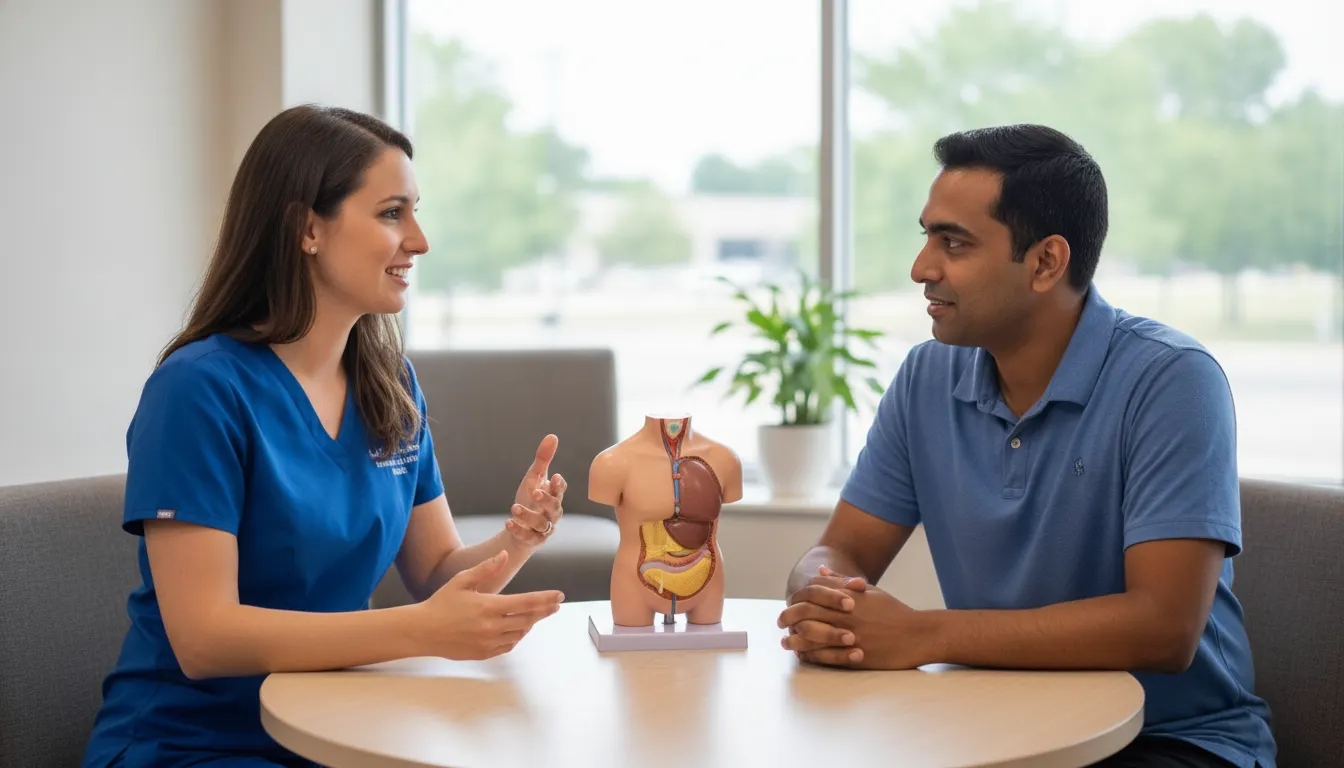
High Blood Pressure Symptoms: What Omaha Patients Should Know
What is high blood pressure, and what symptoms should prompt an Omaha primary care visit? Often, there are no symptoms at all: a person can have elevated blood pressure and feel well. Do not wait for symptoms to decide whether to get screened; very high readings or concerning symptoms need prompt medical attention.
Why can high blood pressure be hard to notice?
High blood pressure, also called hypertension, is a measurement of the force of blood against artery walls. It is not reliably identified by how someone feels. A person may have an elevated reading without headache, dizziness, or another obvious change. Conversely, a headache or lightheadedness can have many causes and does not confirm hypertension.
That is why screening matters. Blood pressure is checked with a cuff, and a single reading may not tell the whole story. Readings can vary with activity, stress, pain, illness, medicines, and how the measurement is taken. A healthcare professional can interpret the result in context and advise whether repeat measurements or follow-up are appropriate.
The absence of symptoms can make routine checks easy to postpone, especially when day-to-day life feels normal. But a symptom-free day does not tell you what a cuff measurement would show. Screening gives a clinician a starting point for deciding whether a pattern needs attention. It is not a reason to assume that every reading outside a usual range means an emergency or a long-term diagnosis.
Blood pressure is recorded as two numbers. The top number reflects pressure as the heart beats, and the bottom number reflects pressure between beats. A clinician considers both numbers, how the reading was taken, prior results, and health history. If you are unsure what your result means, ask for an explanation rather than trying to diagnose yourself from one number or a symptom list.
Which symptoms should not be ignored?
Most people with high blood pressure do not notice specific symptoms. Do not use symptom lists as a way to diagnose yourself. Instead, take new, severe, or worsening symptoms seriously, particularly when they occur with a very high blood pressure reading.
- Seek emergency help for possible stroke or heart symptoms. Sudden weakness or numbness, especially on one side; trouble speaking; sudden vision changes; severe chest pain; or severe difficulty breathing need emergency evaluation. Call 911 rather than driving yourself.
- Get urgent advice for severe or unusual symptoms. A sudden severe headache, confusion, fainting, or vision problems should be assessed promptly, especially if a reading is very high. Symptoms alone cannot establish the cause.
- Arrange a routine primary care conversation for ongoing concerns. Repeated elevated readings, or questions about risk and screening, are reasons to contact a provider even if you feel normal.
A very high reading with serious symptoms can be a medical emergency. If you have a reading around 180/120 mm Hg or higher, wait briefly and repeat it if you can do so safely. If it remains that high and you have chest pain, shortness of breath, weakness, numbness, vision changes, or difficulty speaking, call 911. If the repeat reading remains very high without those symptoms, contact a healthcare professional promptly for instructions. Do not delay emergency care to keep rechecking a number.
When symptoms are sudden, severe, or rapidly worsening, respond to the symptom itself rather than trying to decide whether blood pressure caused it. Emergency services can assess problems such as stroke or heart symptoms. A home monitor cannot identify the cause of chest pain, weakness, or trouble speaking, and a normal reading should not be used to dismiss those warning signs.
Less dramatic symptoms can still deserve attention when they persist or affect daily activities. For example, repeated episodes of dizziness or a recurring headache are worth describing to a clinician, but neither symptom proves that blood pressure is high. Note when it happens, how long it lasts, and what else is going on. Seek urgent care sooner if the symptom becomes severe or appears with neurological or breathing problems.
How do symptoms compare with blood pressure readings?
Symptoms provide context, but measurement is the way blood pressure is assessed. The table below is a general guide, not a diagnosis or substitute for clinician advice. A person’s situation, medical history, and repeat readings matter.
| Situation | What it may mean | Practical next step |
|---|---|---|
| No symptoms, no recent reading | Feeling well does not rule out elevated blood pressure. | Ask about screening at a routine care visit. |
| One elevated reading, feeling well | A single result can be affected by circumstances or measurement technique. | Rest, follow the device instructions, record the result, and ask a clinician about follow-up. |
| Repeated elevated readings | A pattern deserves professional interpretation. | Share dates, readings, and relevant medicines with primary care. |
| Very high reading with severe symptoms | Could signal a medical emergency. | Call 911 for symptoms such as chest pain, trouble breathing, weakness, or trouble speaking. |
| Very high reading without severe symptoms | Still needs prompt clinical guidance. | Contact a healthcare professional promptly for instructions. |
Use the table to organize your next step, not to label a condition. A single reading is a snapshot, and readings may differ from one day or setting to another. If you have a very high result, follow the safety guidance above. For other elevated results, record the numbers and seek advice about when to repeat the measurement or schedule a visit.
How does a blood pressure screening work?
A clinician or trained staff member places a cuff around the upper arm and measures pressure as the cuff inflates and releases. For a useful reading, sit quietly with your back supported and feet flat, keep your arm supported near heart level, and avoid talking during the measurement. The cuff should fit properly. If the first result is higher than expected, a repeat reading after a short rest may help clarify it.
Preparation helps make the measurement easier to interpret. If possible, arrive with enough time to sit quietly before the reading. Tell the person taking it if you have just been active, are in pain, feel unwell, or are especially anxious. Those details do not invalidate a result, but they can help the clinician understand the circumstances and decide whether to measure again.
Home monitors can help track readings, but technique and device fit matter. Bring the monitor to an appointment if you want help checking its use. Keep a simple log with the date, time, numbers, and any relevant circumstances, such as recent exercise or feeling unwell. Do not change prescribed medicines based on a home reading without medical guidance.
For a useful home log, follow your monitor’s instructions and use the same arm and a similar seated position each time unless a clinician advises otherwise. Write down the full result rather than only the number that seems unusual. If you take more than one reading, note that too. Avoid repeatedly checking every few minutes in an attempt to make a number change; ask a healthcare professional what schedule is appropriate.
For background on blood pressure and health, the Centers for Disease Control and Prevention’s high blood pressure information explains that the condition often has no warning signs or symptoms. Use a qualified clinician to interpret your own readings.
What should you bring to a primary care visit?
A little preparation can make a visit more useful. Consider bringing:
- A list of recent blood pressure readings, including when and where they were taken.
- The name or a photo of your home monitor, if you use one.
- A current list of prescription medicines, over-the-counter products, and supplements.
- Notes about symptoms, when they started, how long they lasted, and what was happening at the time.
- Relevant health history and questions about screening or follow-up.
It can also help to decide what you most want answered. You might ask whether your measurement should be repeated, how often to check at home, what range warrants a call, or whether a symptom needs separate evaluation. If you have readings from several places, bring them all and identify where each was taken. A clear timeline is often more informative than a single unexplained number.
Share any recent changes that may matter, such as a new medicine or supplement, a change in routine, or an illness. Do not stop or adjust a medicine on your own. If a new symptom is severe or rapidly worsening, seek urgent help rather than waiting for a routine appointment.
When should Omaha patients contact primary care?
Contact primary care if you have repeated elevated readings, have not had your blood pressure checked recently, or want help understanding a result. Nebraska Wellness Group provides primary care in Omaha; you can learn more about its primary care services and how to review accepted insurance. Coverage and appointment details can depend on your circumstances, so confirm them directly.
If a reading is unexpectedly high but you feel well, write it down and contact a healthcare professional for individualized instructions rather than making a medication change. If readings have been elevated on several occasions, share the pattern and any questions during a visit. A clinician can determine whether more measurements, evaluation, or follow-up are suitable for your situation.
People managing diabetes or other ongoing health concerns may benefit from discussing how their care fits together. Learn about the practice’s diabetes care, and use the patient resources page for general visit information. A clinician can help decide what follow-up is appropriate for you.
For the conversation to be useful, be specific about what you want help with: understanding a recent result, setting up screening, or making sense of a series of home readings. You can also ask who to contact if your numbers change and what symptoms should lead you to seek help sooner. These questions do not replace urgent evaluation when warning signs are present, but they can make routine follow-up clearer.
To plan a visit or ask a question, use the practice’s contact page. The practice also shares background about its approach on the about page. Confirm current appointment and coverage details directly.
Frequently asked questions
Can you feel high blood pressure?
Usually, no. Many people have no noticeable symptoms, so a measurement is needed. Headaches or dizziness have many possible causes and cannot establish that blood pressure is high.
Does one high reading mean I have hypertension?
Not necessarily. Activity, stress, illness, technique, and other factors can affect a measurement. Record the result and ask a healthcare professional whether repeat measurements or evaluation are appropriate.
What if my reading is very high?
If it is around 180/120 mm Hg or higher, repeat it after a brief wait if safe. With chest pain, breathing difficulty, weakness, numbness, vision changes, or difficulty speaking, call 911. Without those symptoms, contact a healthcare professional promptly for guidance.
Should I wait for symptoms before getting screened?
No. High blood pressure may not cause symptoms. Ask about screening during routine care, especially if you have questions about your readings or health history.
Should I bring my home monitor to an appointment?
Yes, if you use one and would like help reviewing your technique or device fit. Bring the monitor and its instructions along with your written readings. A clinician can help you understand how to use the results as part of your care discussion.
Contact Nebraska Wellness Group
Take a practical next step
If you have ongoing questions about blood pressure, bring your readings and concerns to a primary care conversation; for severe symptoms, seek emergency care now.