Neuropathy Treatment Omaha: A Guide to Evaluation and Care Options

Neuropathy treatment Omaha patients may look for often starts with a careful evaluation, not a single test or one-size-fits-all treatment. Neuropathy describes problems affecting nerves, and symptoms can have different causes. Noticing where symptoms occur, when they began, and what else is happening with your health can help a clinician decide what to check next. This guide explains common symptoms, why identifying a possible cause matters, and how primary care and diabetes management may be part of the process. It cannot diagnose symptoms or determine which treatment is right for you.
Contact Nebraska Wellness Group
What does neuropathy mean?
Neuropathy is a general term for damage or dysfunction involving nerves. Peripheral nerves carry information between the brain and spinal cord and the rest of the body. Depending on which nerves are affected, a person may notice changes in sensation, muscle strength, balance, or automatic body functions such as digestion. The word alone does not identify the cause, severity, or best care plan.
Symptoms can develop gradually or appear more suddenly. They may affect one area or several, and they can vary over time. Some people have mild sensations that come and go; others have persistent discomfort or changes that interfere with everyday activities. A clinician considers the full pattern rather than relying on one symptom as proof of a particular condition.
The term can also refer to different types of nerve involvement. Sensory nerves carry information such as touch and temperature; motor nerves help control movement; autonomic nerves help regulate functions that usually happen without conscious effort. These categories can overlap, and a person’s description may not map neatly to one type. Explaining the actual change you notice is more useful than trying to assign a technical label before an appointment.
What symptoms can neuropathy cause?
Nerve-related symptoms differ from person to person. Common sensory descriptions include tingling, pins-and-needles sensations, numbness, burning, sharp or electric-like discomfort, or unusual sensitivity to touch. Some people notice reduced ability to feel temperature or pressure. Others describe a sensation that is present even when nothing is touching the skin.
When nerves involved in movement are affected, a person may experience weakness, muscle cramping, or difficulty with coordination. Changes in balance can have many possible explanations, so they also deserve attention rather than self-diagnosis. Symptoms involving automatic functions may include changes such as dizziness when standing, unusual sweating, or digestive and bladder concerns. These symptoms can have causes other than neuropathy, and a clinician can help decide what evaluation is appropriate.
- Sensation: tingling, burning, numbness, discomfort, or reduced feeling.
- Movement: weakness or difficulty coordinating movement.
- Balance: unsteadiness or changes in confidence while walking.
- Automatic functions: changes in functions such as digestion, sweating, or blood pressure regulation.
Keep track of where symptoms occur and whether they are changing. A short written record can help you describe the experience clearly, but it cannot determine the cause by itself.
Why does finding a possible cause matter?
Neuropathy is not one disease with one cause. Nerve symptoms may be associated with diabetes, certain medications, nutritional problems, alcohol use, infections, inherited conditions, or other health issues. In some situations, a cause is not immediately clear. A thorough evaluation can help distinguish among possibilities and identify whether a treatable underlying issue needs attention.
That distinction matters because care depends on the cause, the nerves involved, the symptoms, and a person’s overall health. For example, when diabetes is part of a person’s health picture, a clinician may review blood sugar history and the broader diabetes care plan. If a medication or another health condition may be relevant, the clinician may consider that context as well. This is not a reason to stop a medication or change treatment on your own; discuss concerns with the clinician who knows your care.
Some people focus only on easing discomfort, but symptom relief and investigating a cause are separate parts of the conversation. A clinician may discuss both, based on an evaluation. Research literature on painful peripheral neuropathy describes medication classes studied and used in its management, but that does not mean a medicine is suitable for every person or every type of nerve symptom. Treatment decisions require individual clinical review. Read the University at Buffalo summary of treatment of painful peripheral neuropathy.
How might diabetes and primary care connect?
Diabetes is one possible factor clinicians consider when evaluating certain nerve symptoms. If you have diabetes, sharing your diagnosis, recent care history, medicines, and any changes you have noticed can help make a visit more useful. Nerve symptoms do not establish that a person has diabetes, and having diabetes does not mean every sensation is caused by nerve damage.
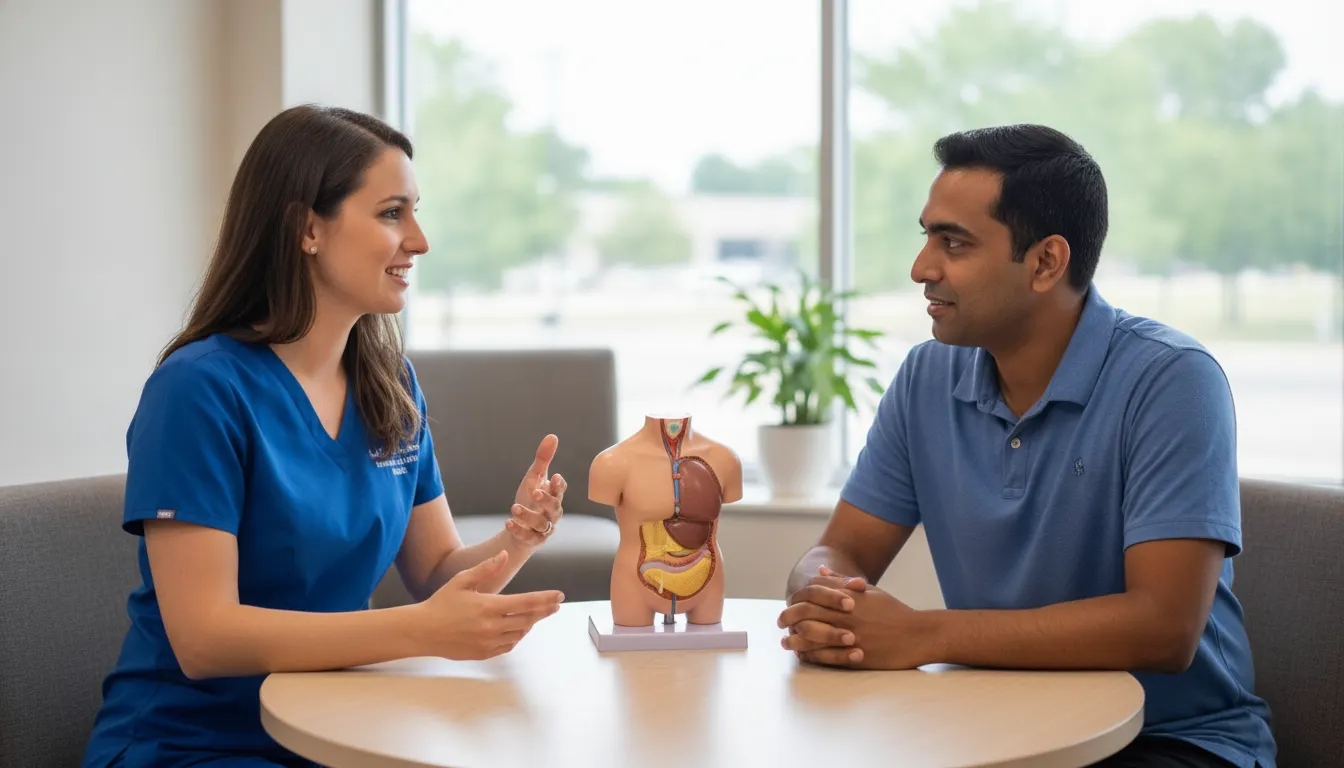
Primary care can provide a place to discuss symptoms alongside other health information. Depending on the situation, a clinician may ask about when symptoms began, review health conditions and medicines, examine sensation or strength, and decide whether tests or referral to another clinician should be considered. The specific evaluation varies; no single checklist or test is right for everyone.
People seeking coordinated support for diabetes can learn more about diabetes care in Omaha and the practice’s primary care services. These pages provide general information about those service areas. Contact the practice directly to ask whether its current services and appointment options fit your needs.
What might happen during an evaluation?
The first step is usually a conversation about the symptoms and health history. Consider noting when the symptoms started, whether they are constant or intermittent, which areas are affected, and what seems to change them. Include relevant health conditions, medicines and supplements, past evaluations, and any recent changes in daily activities. Bring questions and, if useful, a current medication list.
A clinician may ask questions such as:
- When did you first notice the change, and has it progressed?
- Is it on one side or both, and which parts of the body are involved?
- Do you notice numbness, discomfort, weakness, balance changes, or another symptom?
- Do you have diabetes or another condition that may be relevant?
- What medicines, supplements, or recent health changes should be considered?
The clinician may perform an examination based on your symptoms. This could include checking aspects of sensation, strength, reflexes, or balance. If more information is needed, testing or a referral may be considered. The appropriate next step depends on the findings and the clinician’s judgment; it is not possible to predict the workup from symptoms alone.
There is not one universal test that answers every question about nerve symptoms. A clinician may first use the history and examination to decide whether laboratory tests, a nerve-function study, imaging, or another assessment could be useful. Those examples are not a checklist for every patient. It is reasonable to ask why a test is being considered, what it could show, and how the result might affect the next step. If no test is recommended at the first visit, ask what changes should lead to follow-up.
Research centers continue to investigate diagnostic approaches and treatment options for neuropathy. The Washington University Center of Excellence in Neuropathy Treatment and Research describes ongoing work in this area. This is a research-center resource, not a substitute for an individual evaluation or a recommendation for a particular test.
How do symptom patterns guide questions, not diagnosis?
A symptom pattern can help organize the discussion, but it cannot confirm the cause. The examples below are broad prompts for a conversation with a clinician. Several different conditions can produce similar experiences, and a person may have more than one factor to consider.
| What you notice | Useful details to record | Why discuss it |
|---|---|---|
| Tingling or numbness | Location, whether one or both sides are affected, and how long it lasts | Distribution and timing can help guide an examination and further questions. |
| Burning or unusual sensitivity | What the sensation feels like, what triggers it, and how it affects daily activities | Describing the experience may help a clinician assess the symptom and discuss options. |
| Weakness or coordination changes | When it occurs and whether it is changing or affecting routine tasks | Movement symptoms may need a different assessment from sensory changes alone. |
| Balance or other body-function changes | What changed, when it began, and any related symptoms | These concerns have multiple possible explanations and merit individualized review. |
This table is not a screening tool. Do not use it to label a condition or postpone care. If a symptom is new, worsening, or concerning, seek clinical guidance appropriate to the situation.
What can you do before speaking with a clinician?
Preparation can make it easier to explain what is happening. Write down a brief timeline rather than trying to remember every detail during the visit. Include the body areas involved, how symptoms feel, how often they occur, and whether they affect sleep, walking, work, or other activities. Note any changes in health or medicines around the time symptoms began.
If symptoms come and go, a simple log may help you describe the pattern: date and time, where you noticed the change, what you were doing, how long it lasted, and whether anything else occurred at the same time. Keep the record factual and brief. You do not need to monitor every sensation or delay seeking care until you have a complete record. The purpose is to help you communicate observations, not to draw a medical conclusion from them.
It may also help to gather relevant records or test results that are already available and prepare a short list of questions. For example:
- What possible causes should be considered in my situation?
- Is an examination or testing appropriate, and what would it help clarify?
- Could my health conditions or medicines be relevant?
- What changes should prompt me to contact the clinic again?
- Would another type of clinician or follow-up be appropriate?
Avoid starting, stopping, or changing medication based only on online information. Avoid assuming that a supplement or device is safe or effective for your situation without discussing it with a qualified clinician. If diabetes is part of your care, continue to follow the plan provided by your healthcare team and raise new symptoms with them.
When should symptoms receive prompt attention?
Contact a healthcare professional when symptoms persist, recur, worsen, or interfere with daily activities, or when you are unsure what to do next. Do not wait for an online article to determine urgency. Sudden or severe symptoms, rapidly changing weakness, difficulty walking, loss of bladder or bowel control, or symptoms that may signal an emergency need prompt medical assessment. If you think you may be experiencing a medical emergency, call 911 or go to an emergency department.
For non-emergency concerns, a primary care office can help you ask what kind of appointment or next step may be appropriate. Nebraska Wellness Group’s information about the practice and its approach to care may help you understand the setting. Because the current scope of any neuropathy-specific offering can change, contact the practice to confirm what evaluation or care is currently available before making plans.
What should you ask about care options?
There is no single care path for every person with nerve symptoms. Depending on the evaluation, a clinician may recommend monitoring, addressing an underlying health issue, discussing ways to manage symptoms, or consulting another specialist. The choice depends on the suspected cause, examination, test results when indicated, medical history, and the person’s priorities.
Follow-up is part of that process. The clinician may want to know whether symptoms are stable, improving, or changing and whether a proposed plan is manageable. Before leaving an appointment, make sure you understand whom to contact with questions, when follow-up is expected, and what symptoms call for more timely attention. If a plan involves more than one clinician, ask how information and next steps will be coordinated.
If a treatment is discussed, ask what it is intended to address, what benefits and risks are known, what alternatives exist, and how follow-up would work. Ask how the plan relates to other conditions and medicines. If the reason for a recommendation is unclear, request an explanation in everyday language. Shared decision-making helps ensure the plan reflects both clinical considerations and the patient’s circumstances.
For information about coverage, Nebraska Wellness Group provides an accepted insurance page. Coverage and eligibility can depend on the service and individual plan, so confirm details with the practice and insurer. A published insurance list is not a promise that a particular service will be covered.
Ask Nebraska Wellness Group about current appointment options
Frequently asked questions
Can tingling by itself confirm neuropathy?
No. Tingling has several possible explanations. A clinician considers the location, timing, other symptoms, health history, and examination before deciding whether further evaluation is appropriate.
Does diabetes always cause neuropathy?
No. Diabetes can be one factor considered in an evaluation, but it does not explain every nerve-related symptom. A healthcare professional can review an individual’s symptoms and overall health to consider possible causes.
Will everyone need nerve testing?
No. Whether testing is useful depends on the history and examination. A clinician can explain what a proposed test may clarify and whether another next step is more appropriate.
Does Nebraska Wellness Group currently offer a dedicated neuropathy service?
Service scope can change, so confirm directly with the practice rather than assuming a dedicated program is currently available. You can use the Contact Us page to ask what evaluation and appointment options are presently offered.
Take a practical next step
Neuropathy treatment Omaha residents consider should begin with clear information about symptoms and an individualized clinical evaluation, not a self-diagnosis. Record what you have noticed, discuss relevant health conditions such as diabetes, and ask what current care options are appropriate for your circumstances.